Research · technical library
The detail,
explained.
Technical articles from CIME's engineering office on coreless induction melting, automatic press-pouring, IGBT converters and retrofits.
Technical articles
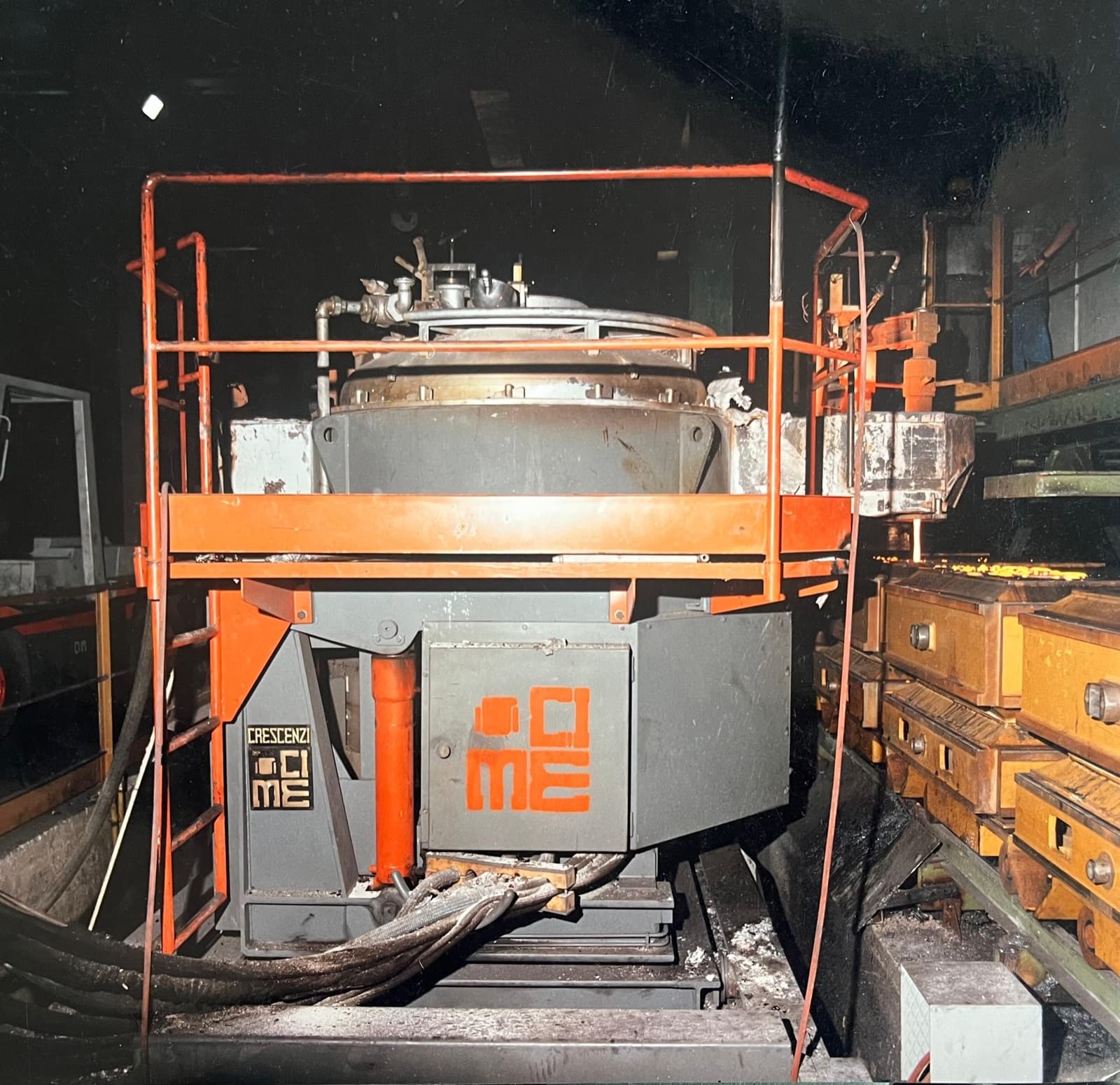
Press-pouring, explained
How the world's first coreless automatic press-pouring furnace keeps the bath and siphons hot and pours a slagless stream onto any moulding line.
Read the article →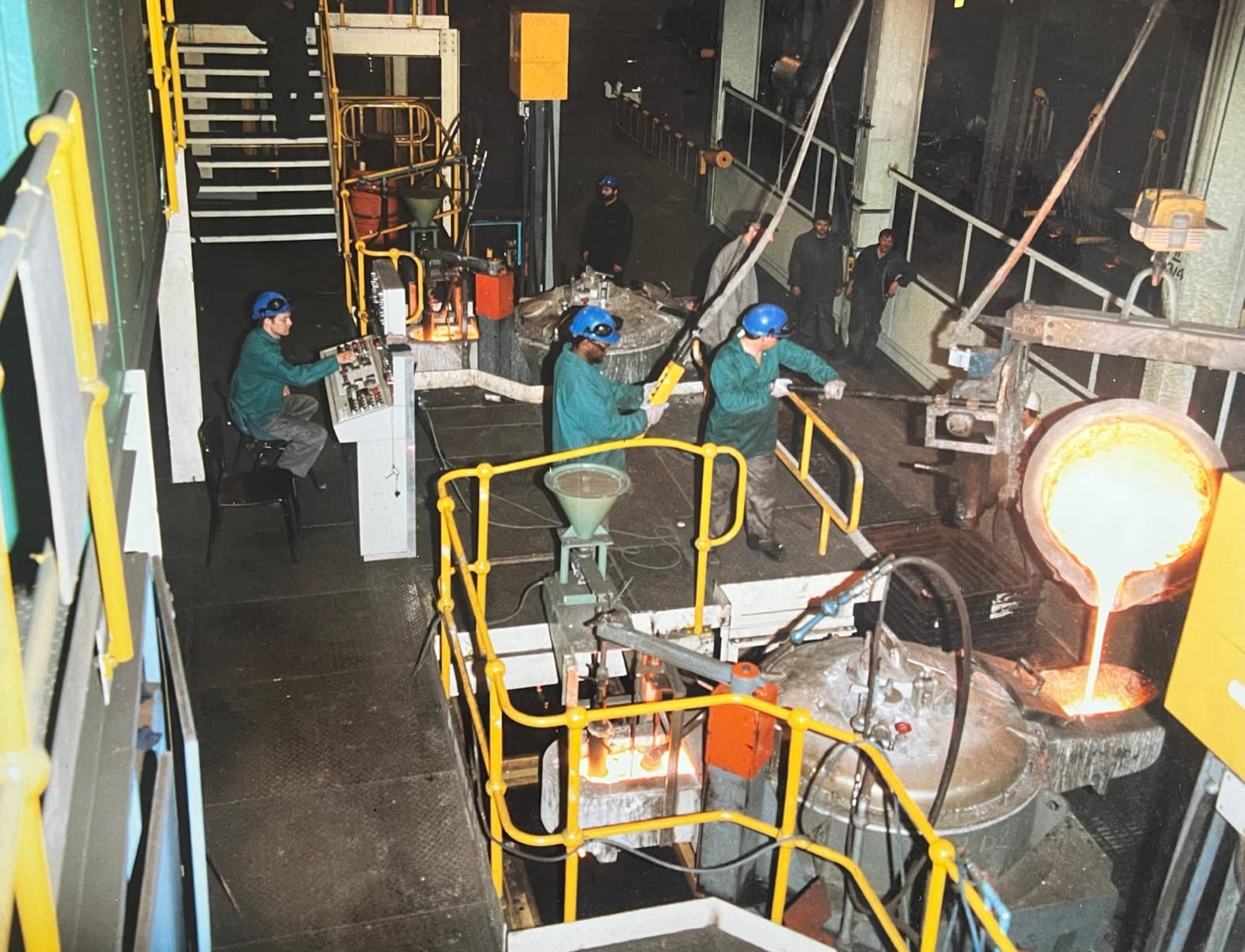
Press pouring vs ladle pouring
A ladle lets metal cool, fade and pick up slag on the way to the mould. Why steady, automatic lines switch to a heated, sealed press-pouring buffer, and when a ladle still fits.
Read the article →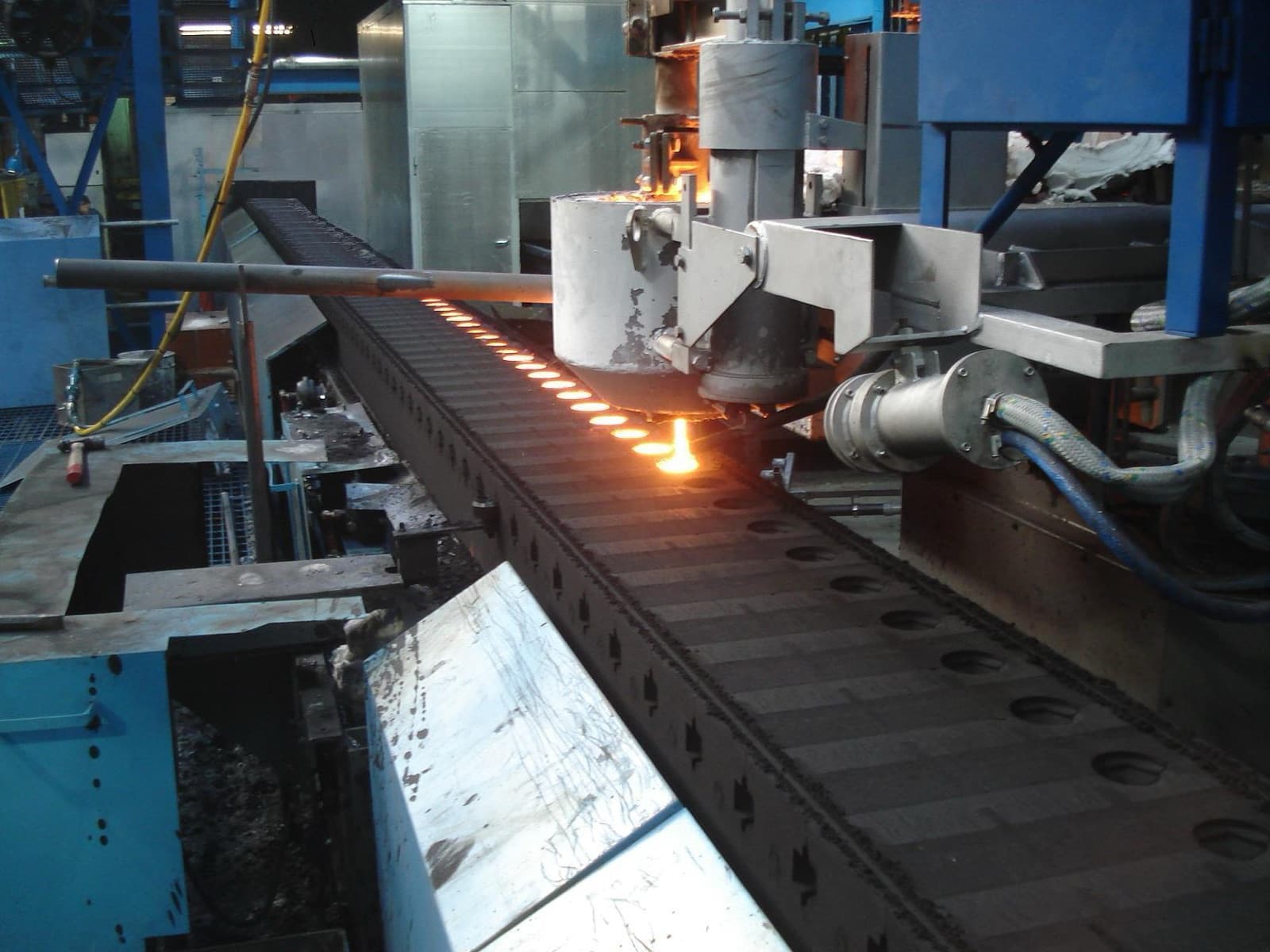
Automatic pouring systems
How to choose an automatic pouring system for your foundry: the two families, what to specify by metal and line, and how a modern system keeps every casting on weight.
Read the article →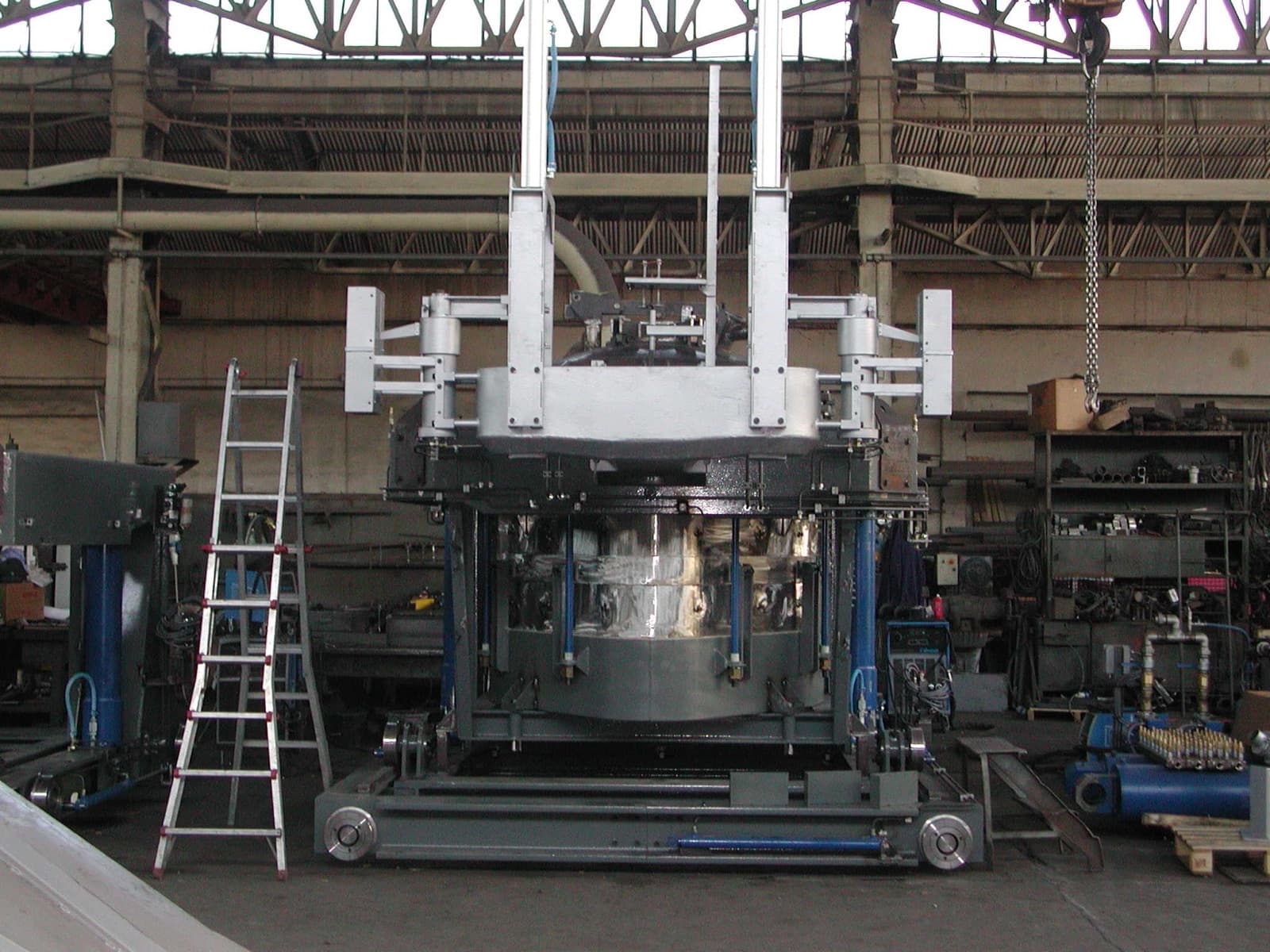
Coreless vs. channel induction
Both melt by induction, but heat the metal in completely different ways. Why coreless heats the whole bath, pours ductile iron and empties 100%.
Read the article →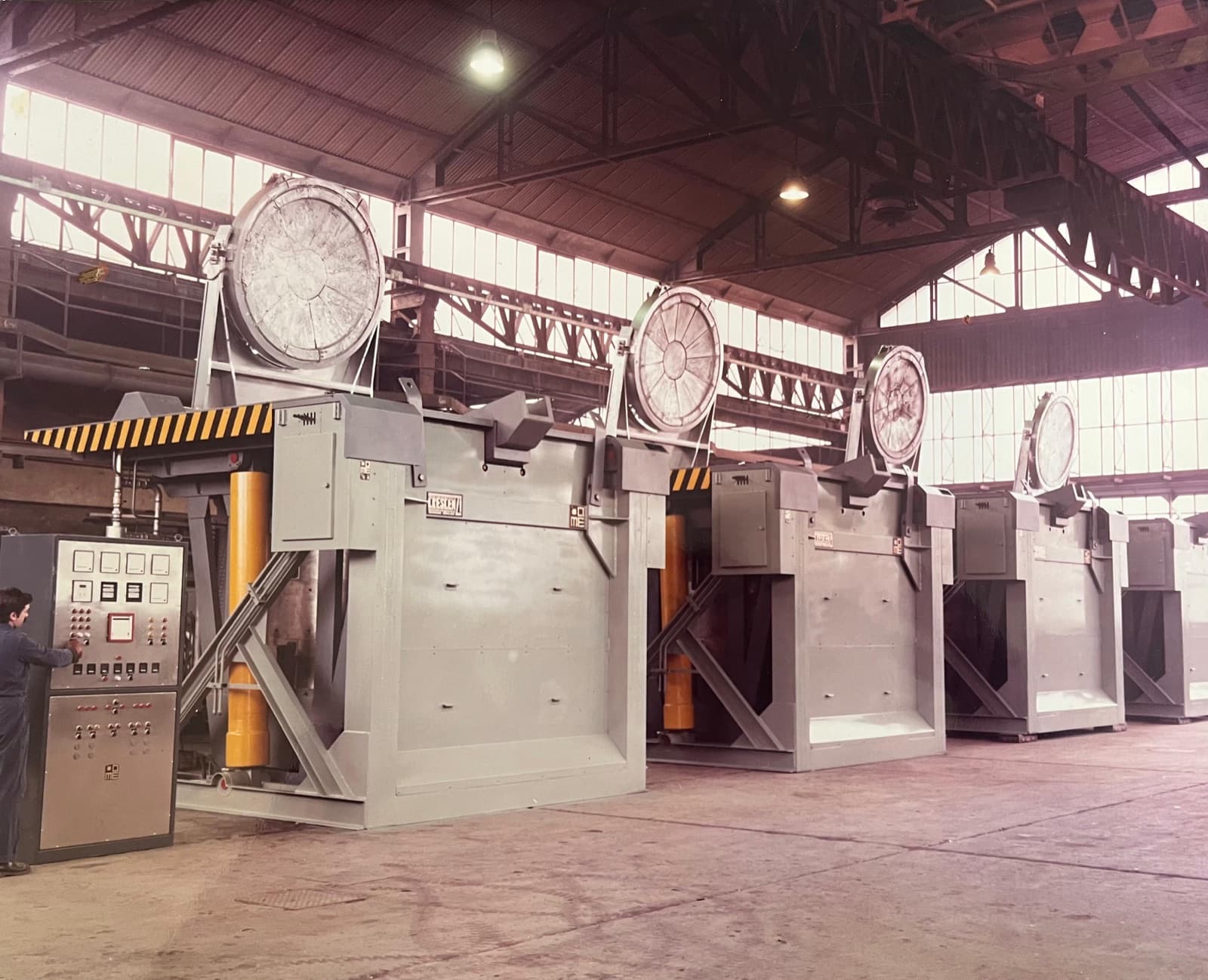
UHE vs. UHP coil design
Two ways to build the magnetic structure around the coils: laminations for efficiency, water-cooled plates for power. Plus the modular, repairable coil.
Read the article →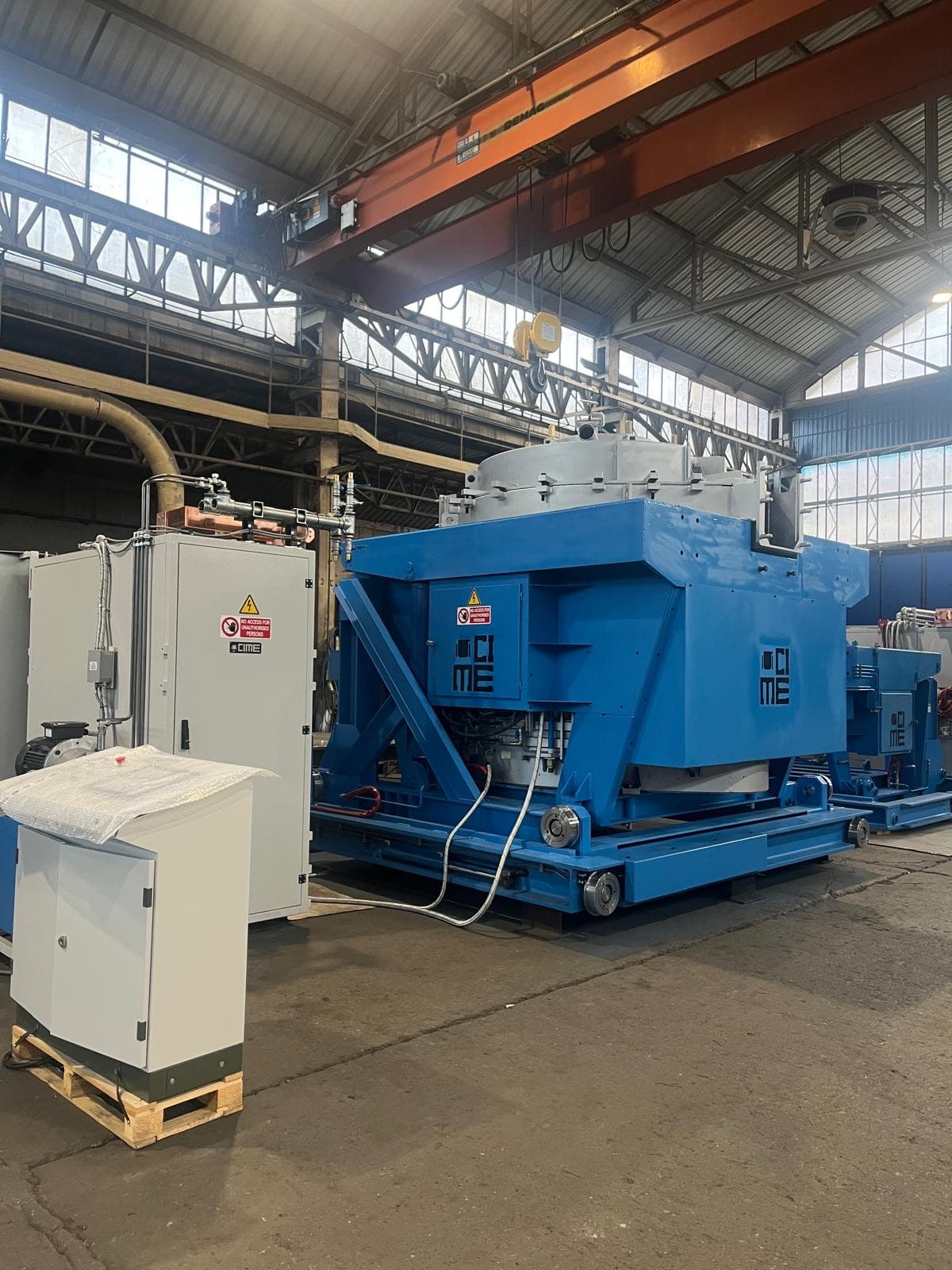
IGBT vs SCR converters
Why IGBT means faster melts, higher efficiency than SCR, power factor above 0.95 and no harmonics on the grid, and when to choose it or retrofit an SCR.
Read the article →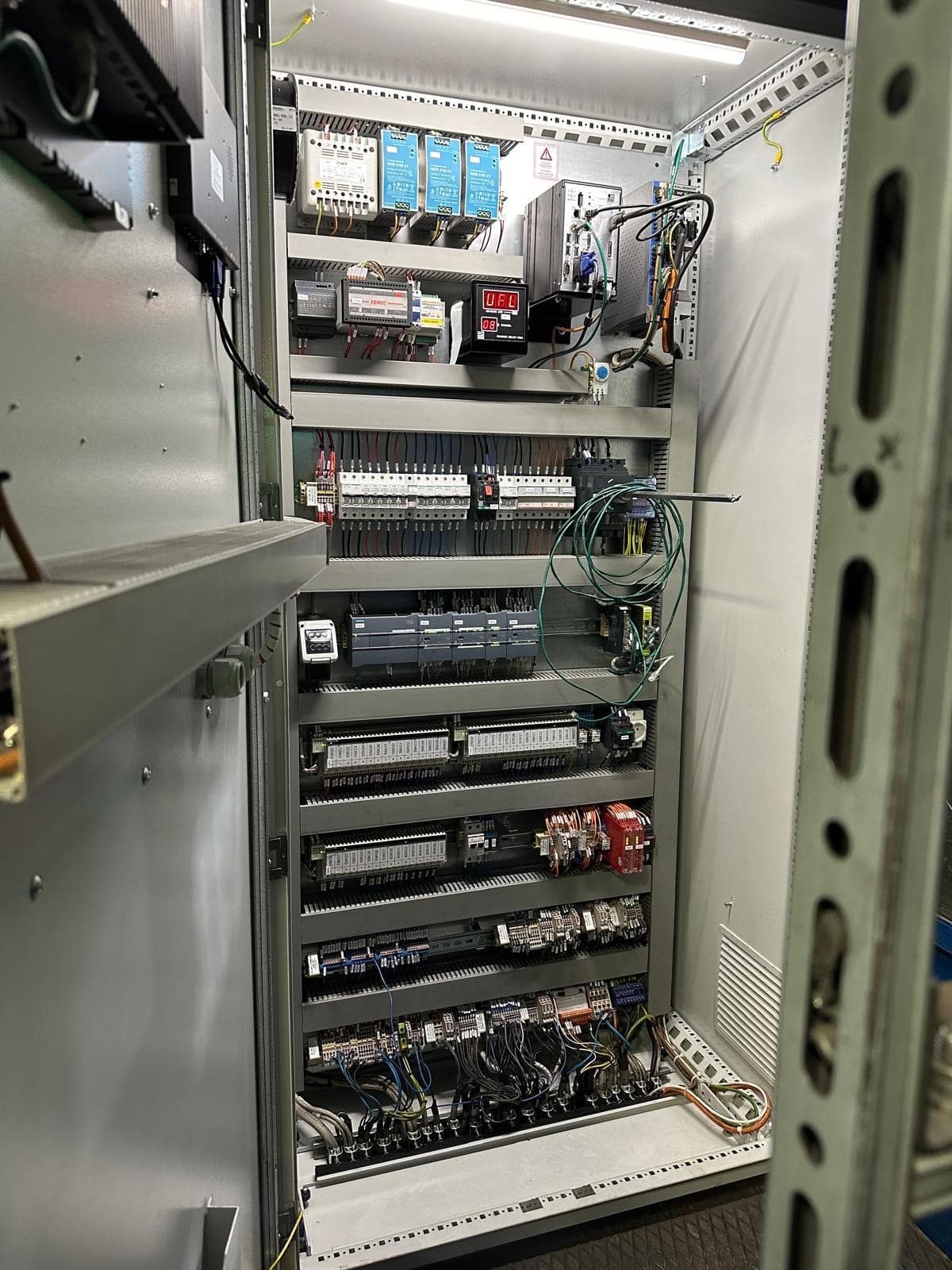
SCR to IGBT retrofit
Why modern IGBT converters beat SCR on efficiency, power factor and harmonics, and how to retrofit installed equipment at lower capex.
Read the article →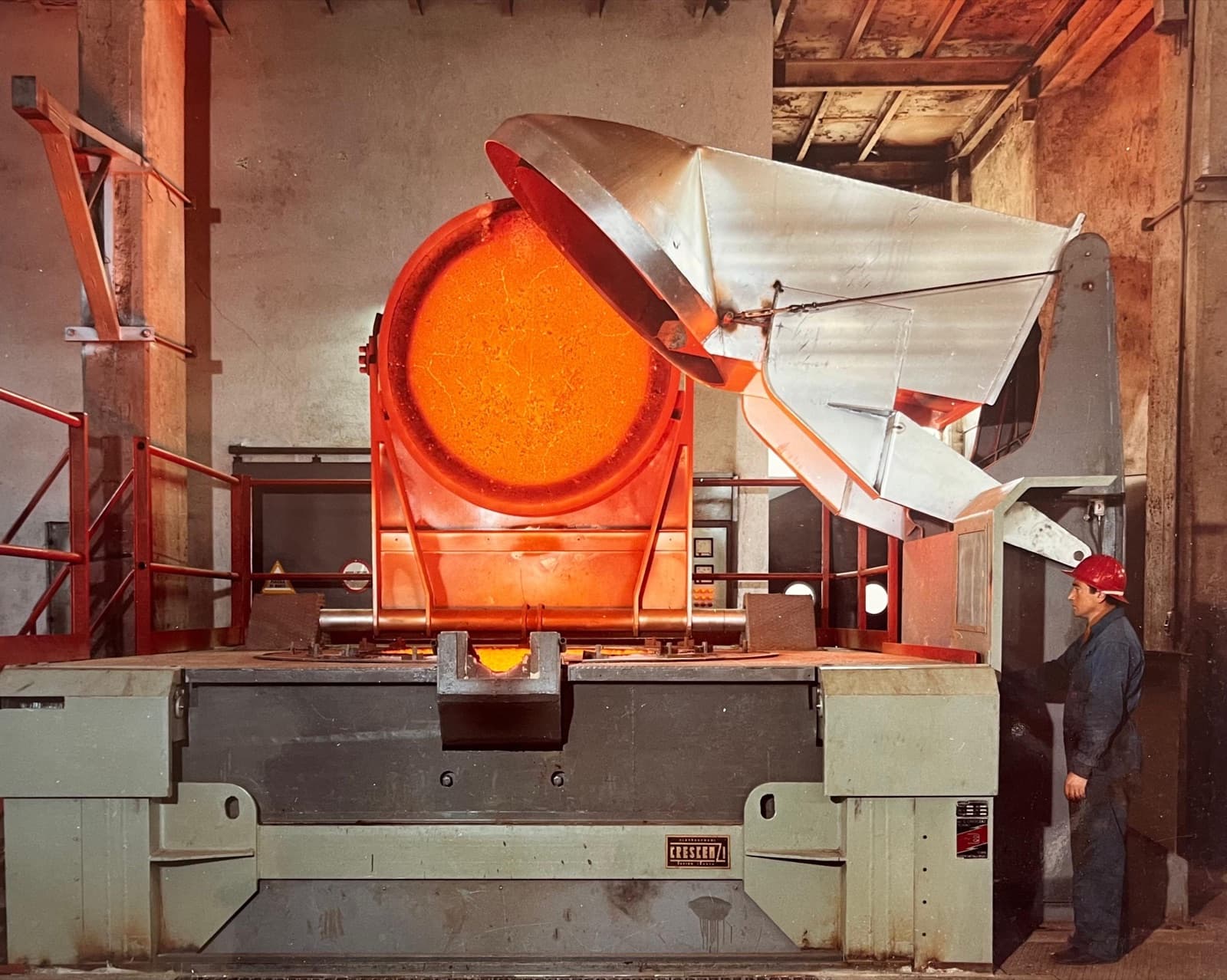
Induction furnace energy consumption
What a coreless furnace uses in kWh per tonne, how close that is to the theoretical minimum, and the five factors that decide your number.
Read the article →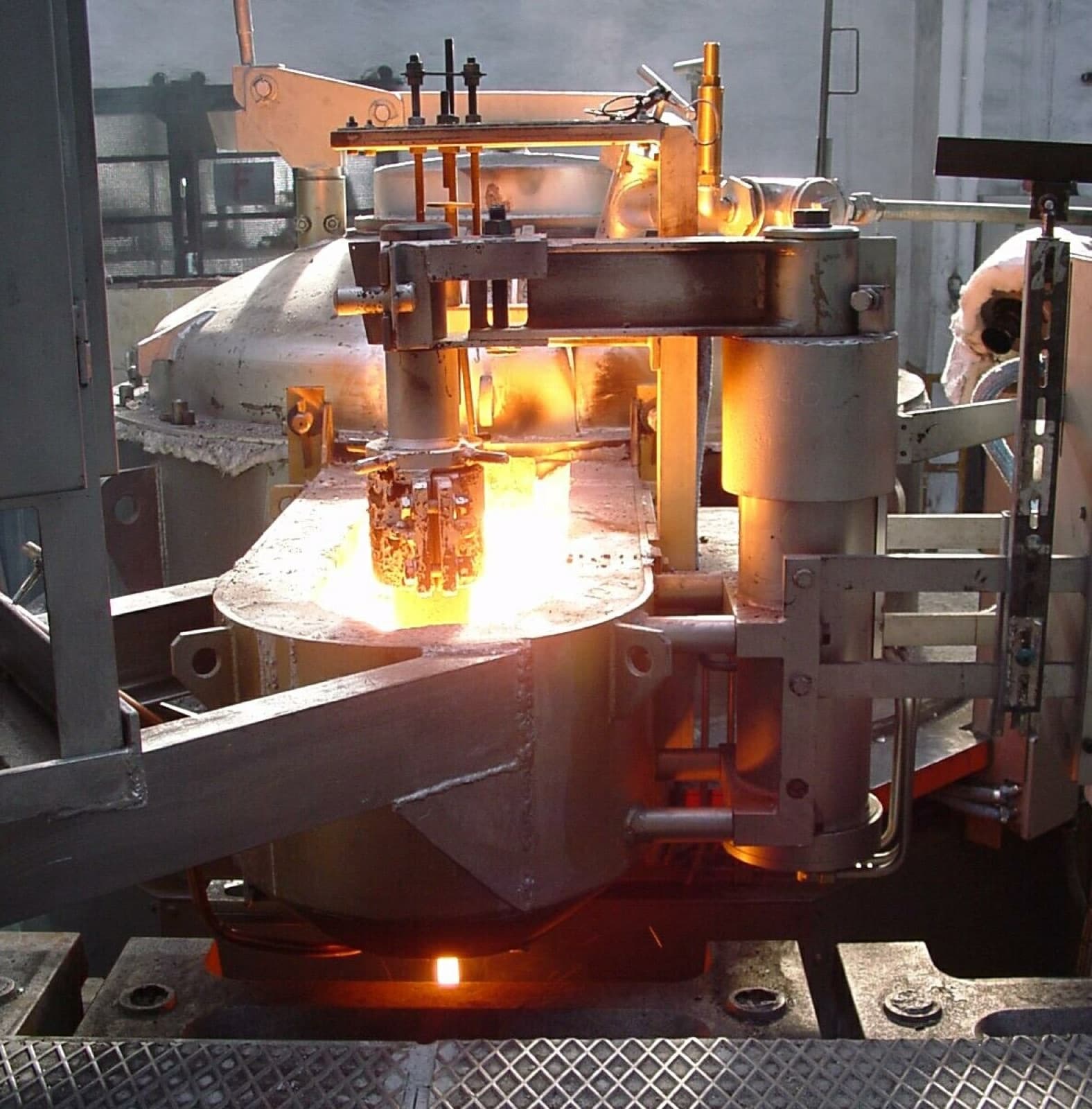
Ductile iron yield optimization
Where ductile iron yield leaks to magnesium fade, inoculation fade, dross and pour variation, and the process levers on the melt and pour side that recover it.
Read the article →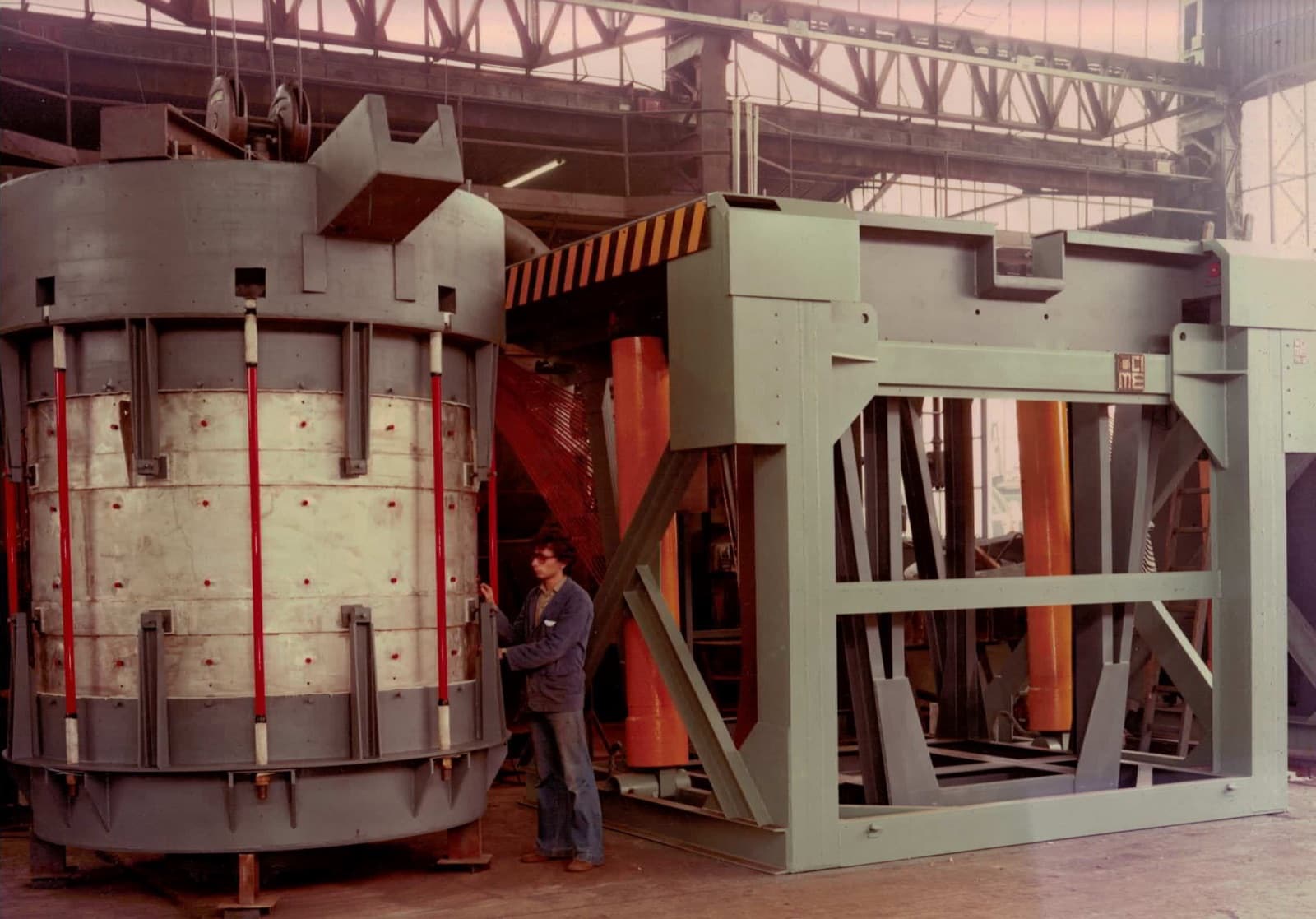
How an induction furnace works
An induction furnace melts metal with a magnetic field, not a flame. The electromagnetic principle, the converter and coil that do the work, and why foundries melt this way.
Read the article →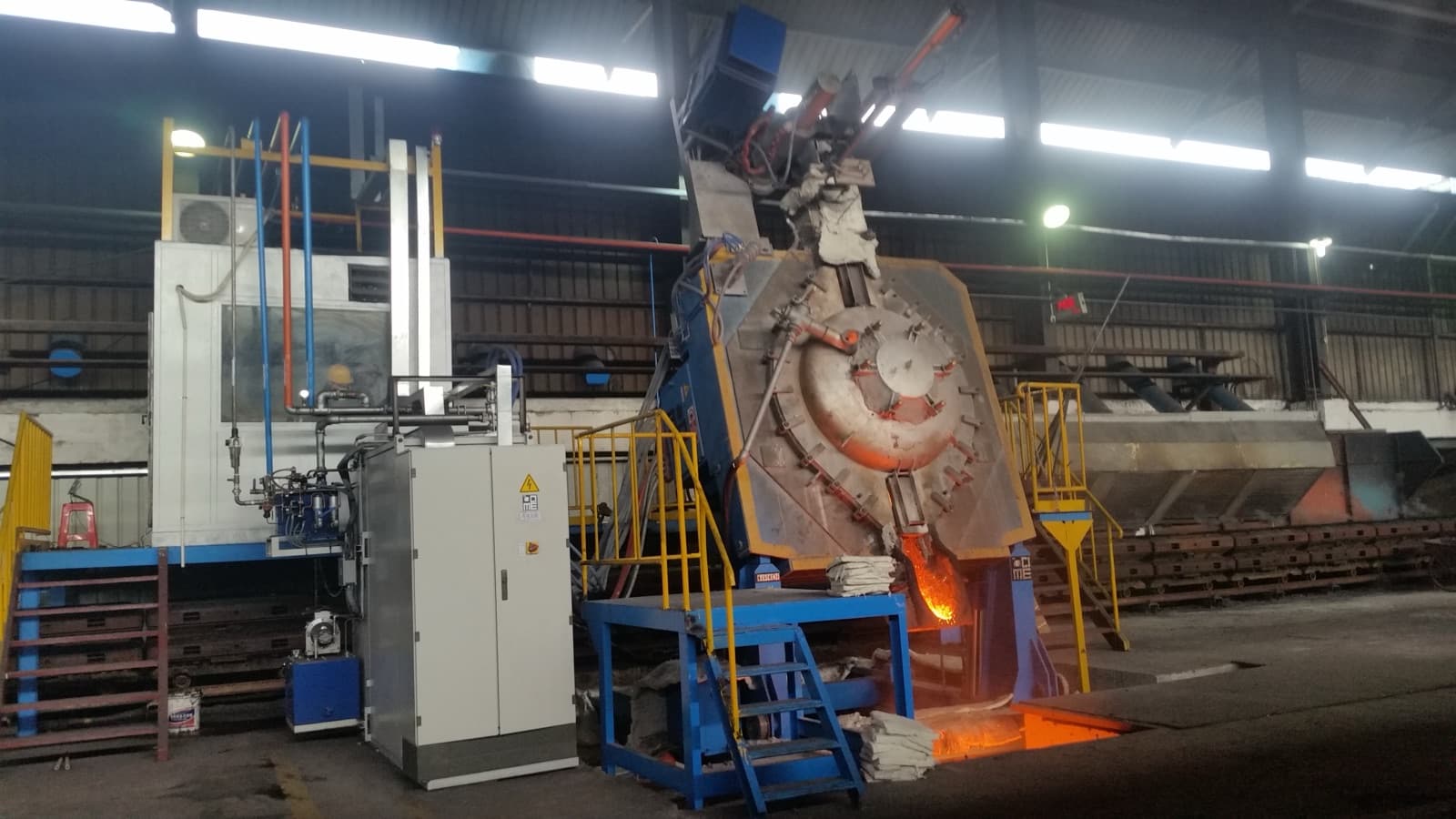
Temperature uniformity in induction melting
Why a coreless bath sits at one temperature top to bottom: whole-bath heating and electromagnetic stirring, what degrades the mix, and how to check it.
Read the article →Seventy years of know-how.
CIME has engineered coreless induction furnaces in Turin since 1952. These articles share the reasoning behind the machines, so foundry engineers can specify with confidence. More are on the way.
Have a harder question?
Our engineers in Turin answer the ones the articles do not. Tell us your metal, your line and your target.