Coreless induction · since 1952
The technology
inside
the metal.
What sets a CIME furnace apart: the special induction coil that melts the metal from within, and precision press-pouring. Seventy years of coreless engineering in Turin.
The differentiator · the coil
The coil is the know-how.
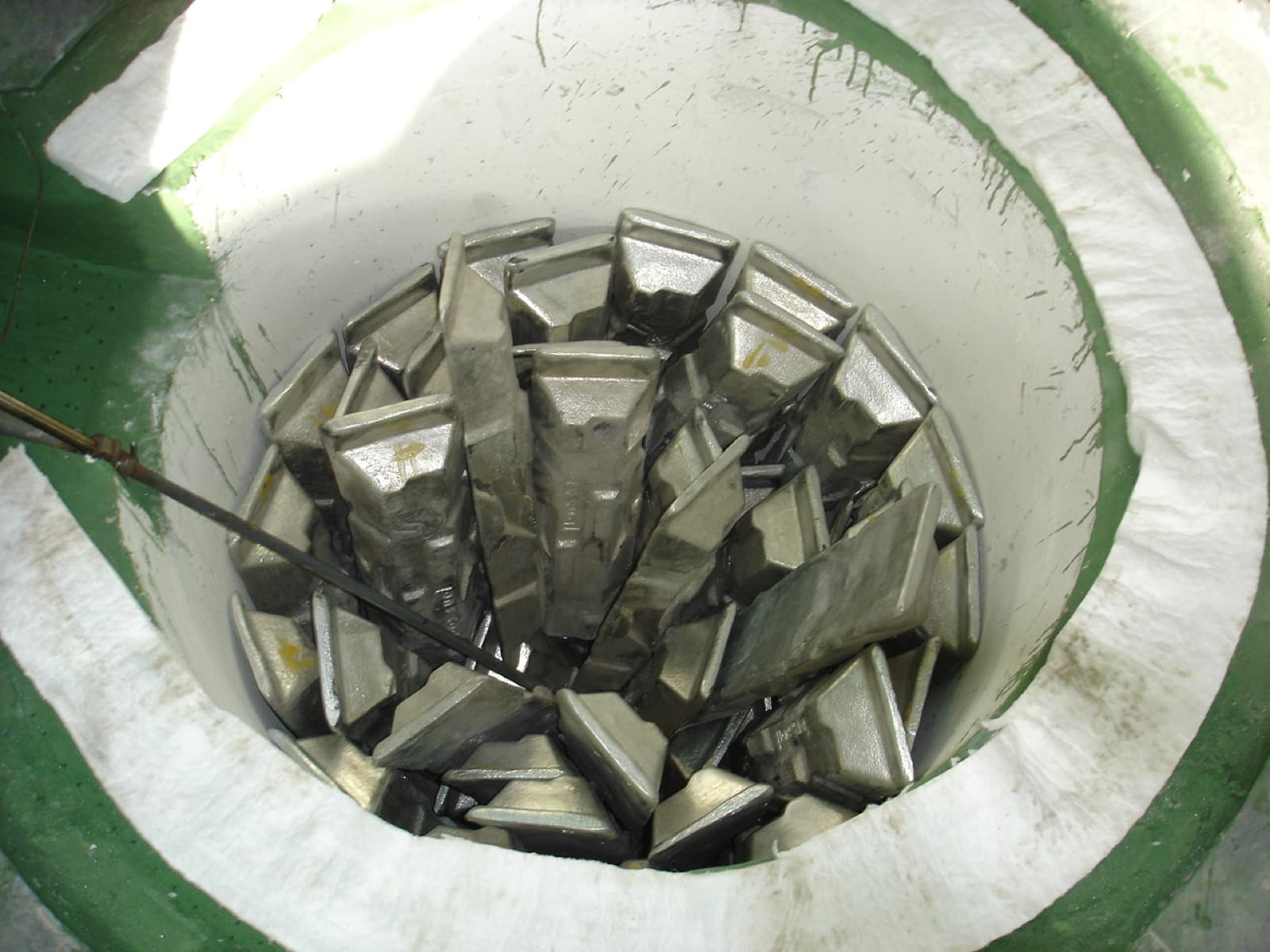
A coreless induction furnace heats the charge from within, not with a flame. A water-cooled copper coil carries the alternating current that, by Faraday's law, melts and stirs the metal from inside the charge. How that coil is wound, as UHE or UHP, from modular sections, is CIME's real know-how, refined in Turin since 1952.
Why induction wins.
A gas or fuel-fired furnace heats the metal from the outside by flame, radiation and convection. Induction generates the heat inside the charge. That difference drives efficiency, control, cleanliness and safety.
The differentiator · press-pouring
The pour is the precision.
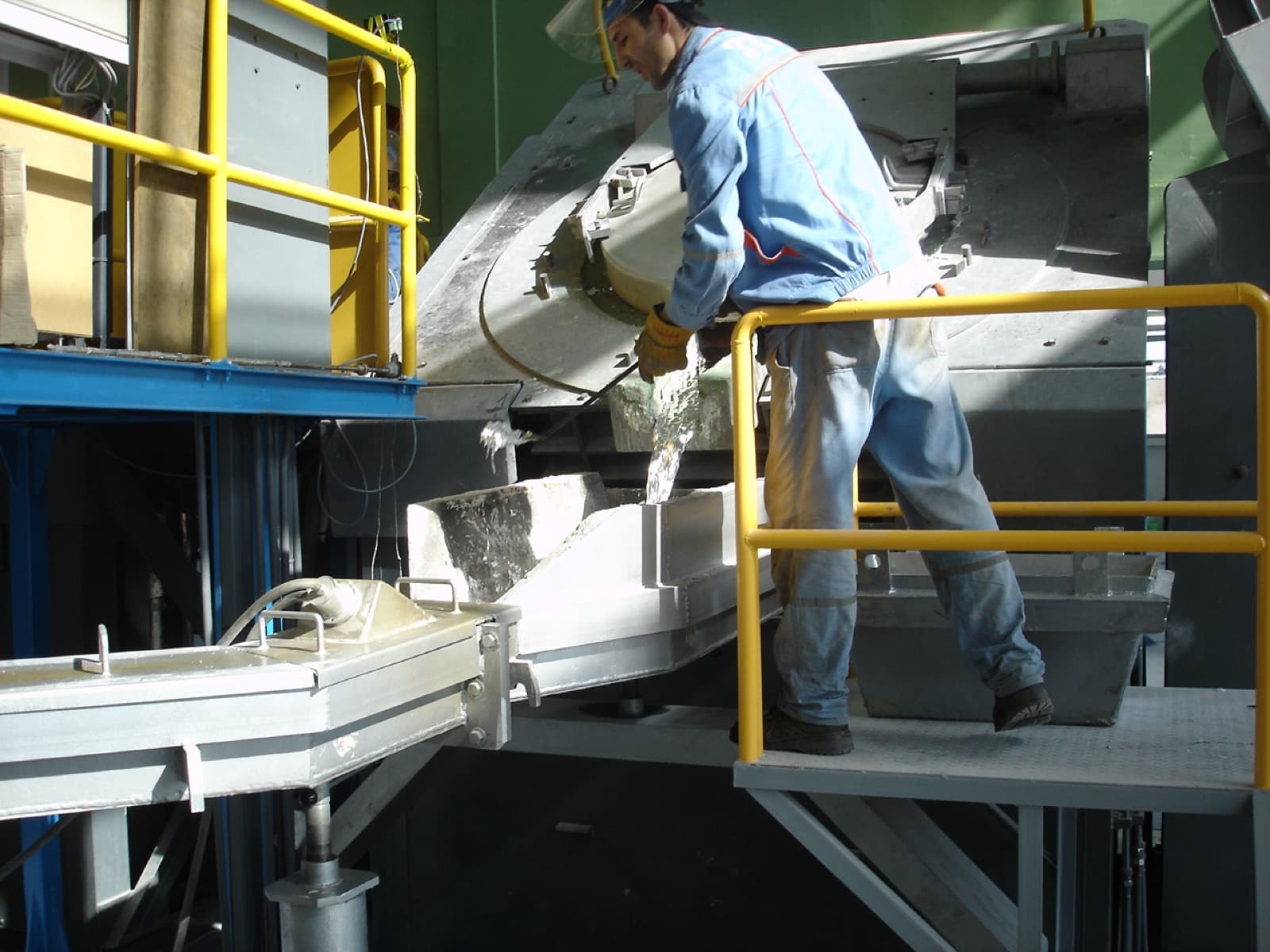
The CAP casts the melt by pressure, not by ladle or by hand. A sealed vessel lifts the bath up a heated siphon that never freezes or picks up slag, while a stopper-rod and an optical camera meter every pour, for a slagless, repeatable cast, refined since 1976.
One power platform, the whole range.
IGBT medium-frequency converter
Power across the range
From the CAP (up to 1 MW) through holding (up to 2 MW) to melting and tandem (up to 10 MW). The same IGBT platform, scaled to the duty, with SCR to IGBT retrofit on installed equipment.
The world's first press-pour.
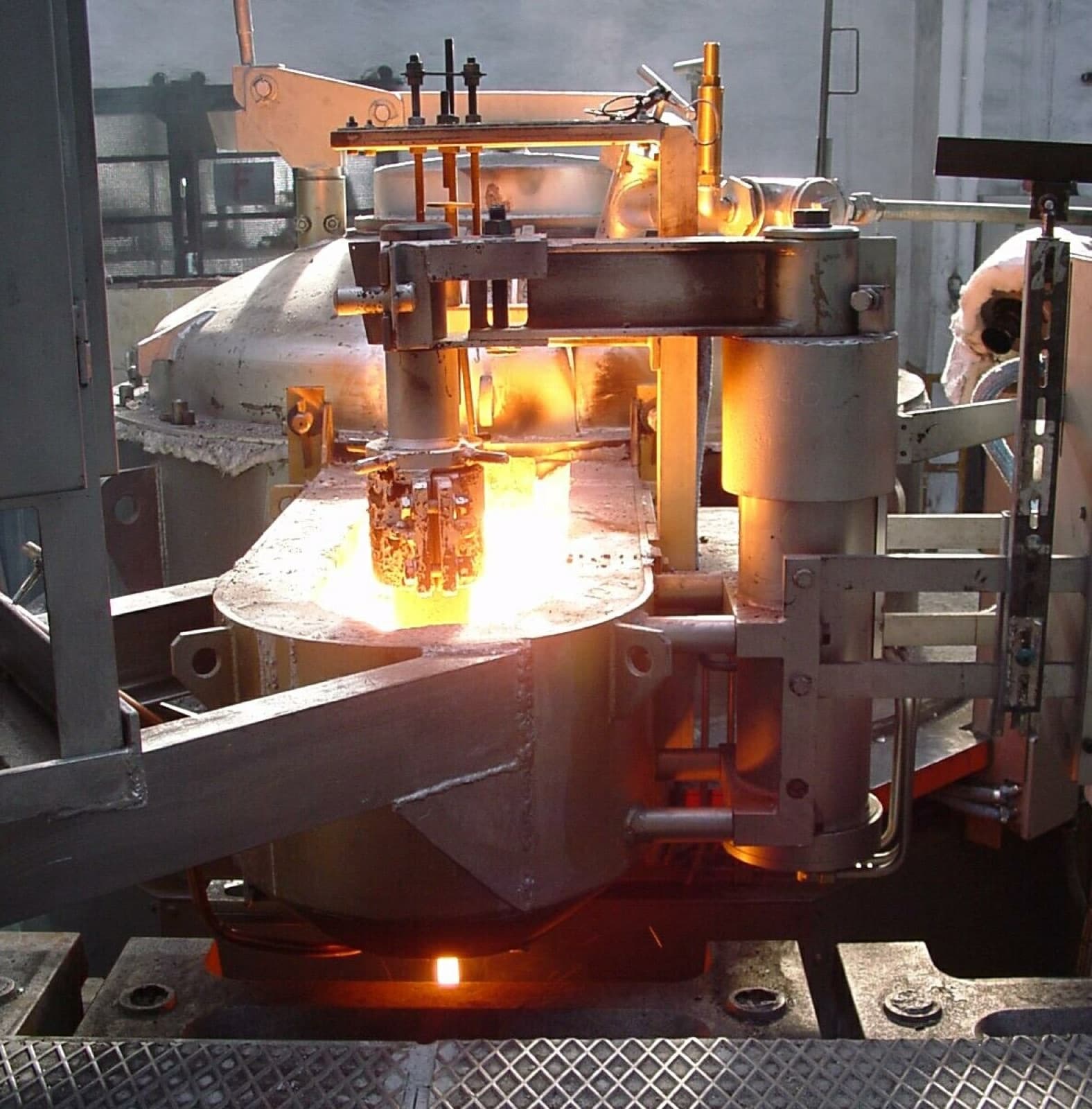
Heated siphons
The elliptical coil keeps both the charge and discharge ducts at temperature, so they never freeze or pick up slag. Inert nitrogen pressure pushes the melt up the discharge duct for a slagless, continuous pour.
No ladle · no interruption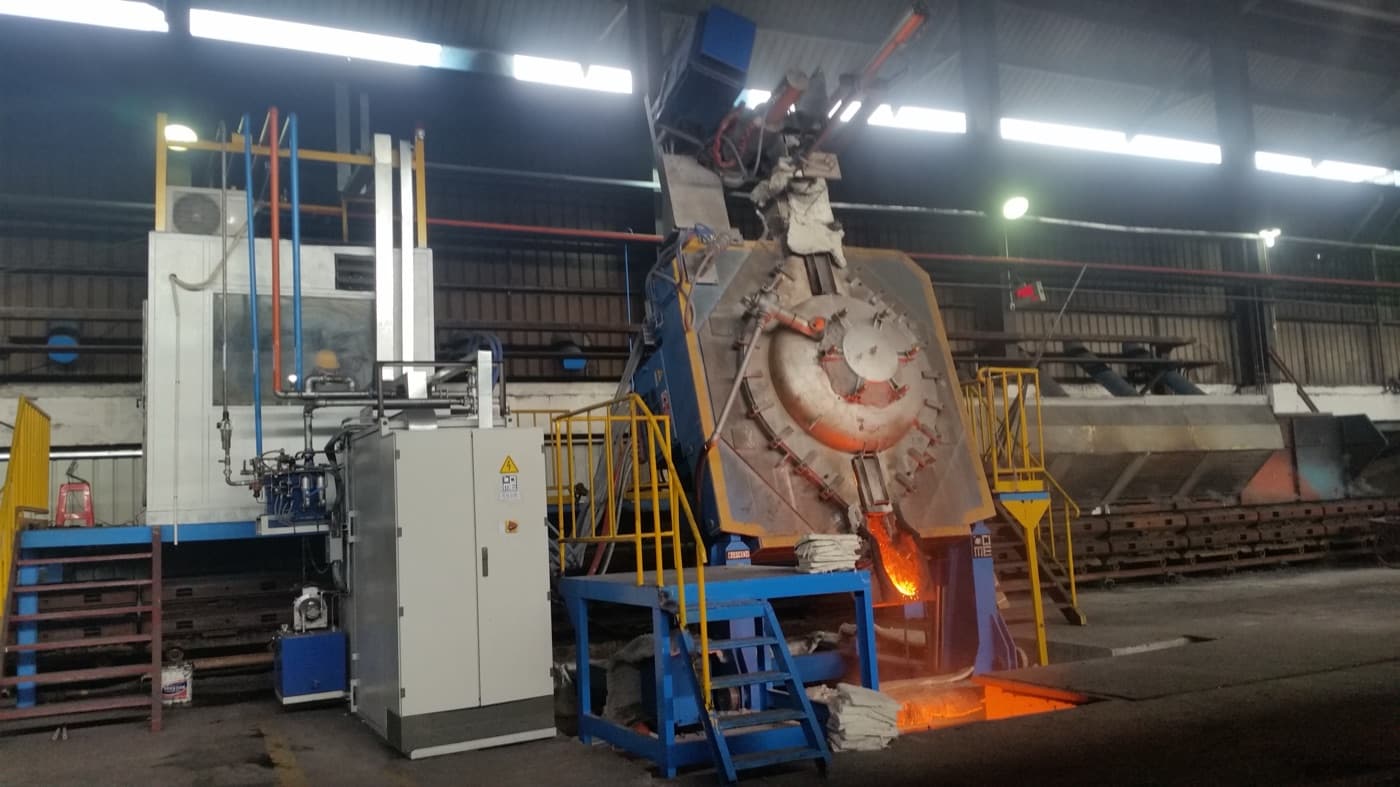
No heel, full empty
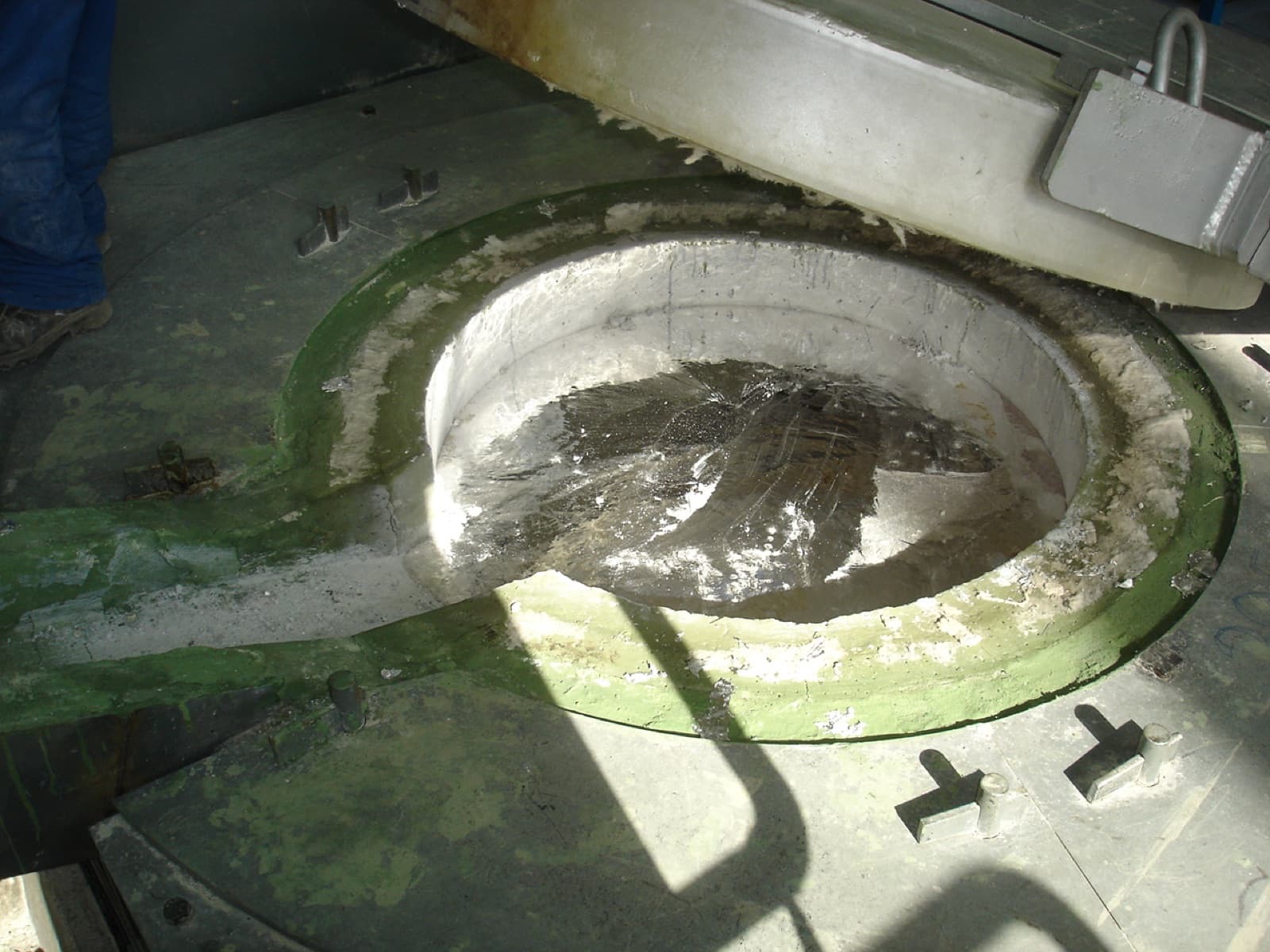
No ballast heel is required. Over 90% of the bath is discharged by pressure and the furnace empties completely by back-tilting, so grey to ductile grade changes are fast and the whole process runs cooler than an unheated system.
Grey & ductile · 100% empty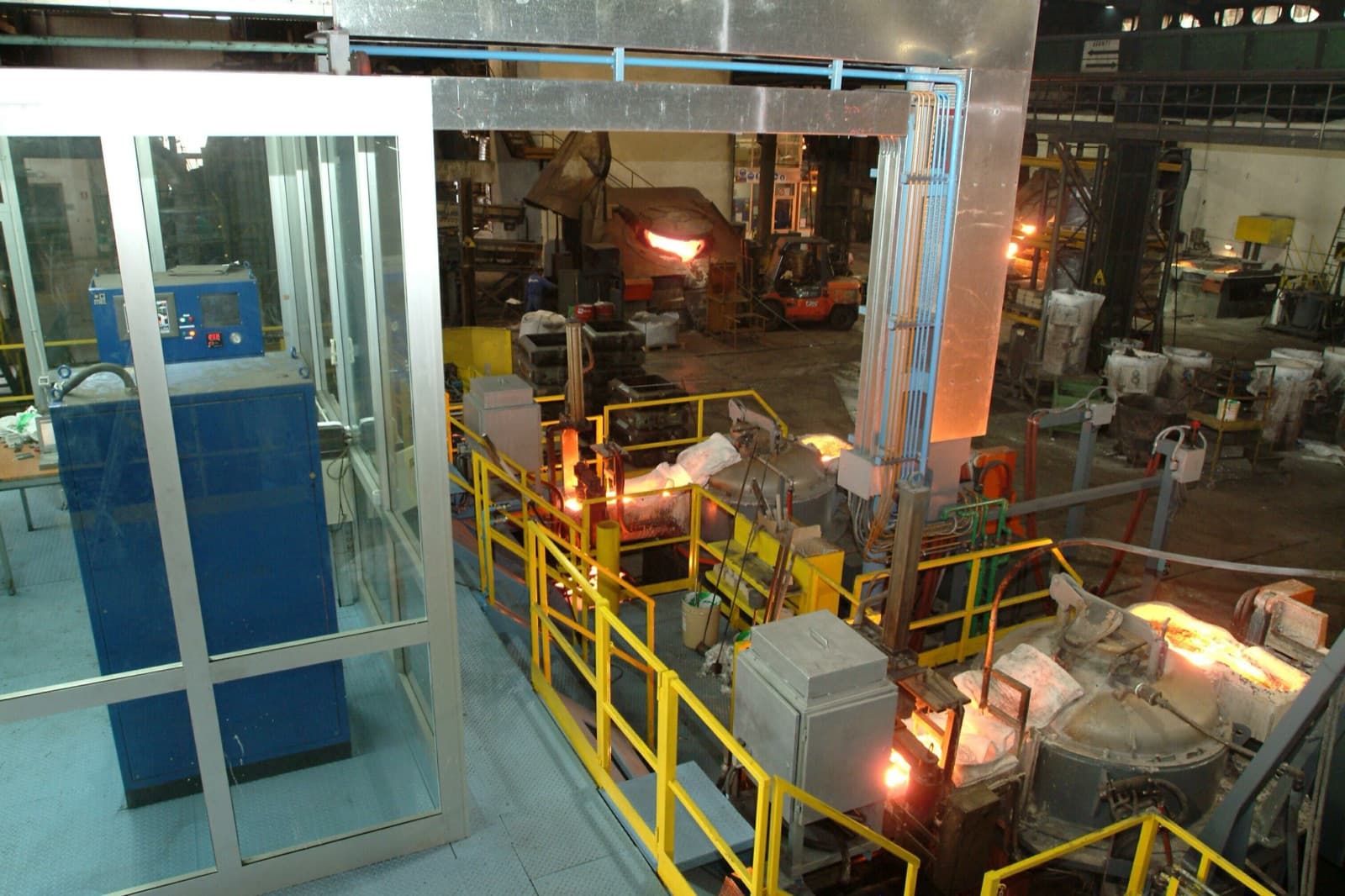
Joystick to OPTICAL
Three control modes on one rugged stopper-rod: Joystick for manual and emergency, Teach-In to record and repeat a pour, and the electro-optical OPTICAL system that reads the sprue cup and adjusts the stopper rod in real time to every mould.
Manual · Teach-In · OPTICAL- Grey & ductile ironFoundry staple
- SteelCarbon & alloy
- Copper, bronze, brassNon-ferrous
- Aluminium & superalloysMelting range
Across the range CIME melts, holds and casts the full spread of foundry metals. The IGBT converter is especially effective on low-permeability metals such as stainless steel, copper and aluminium, where it melts faster with fewer burnt elements.
The CAP press-pouring furnace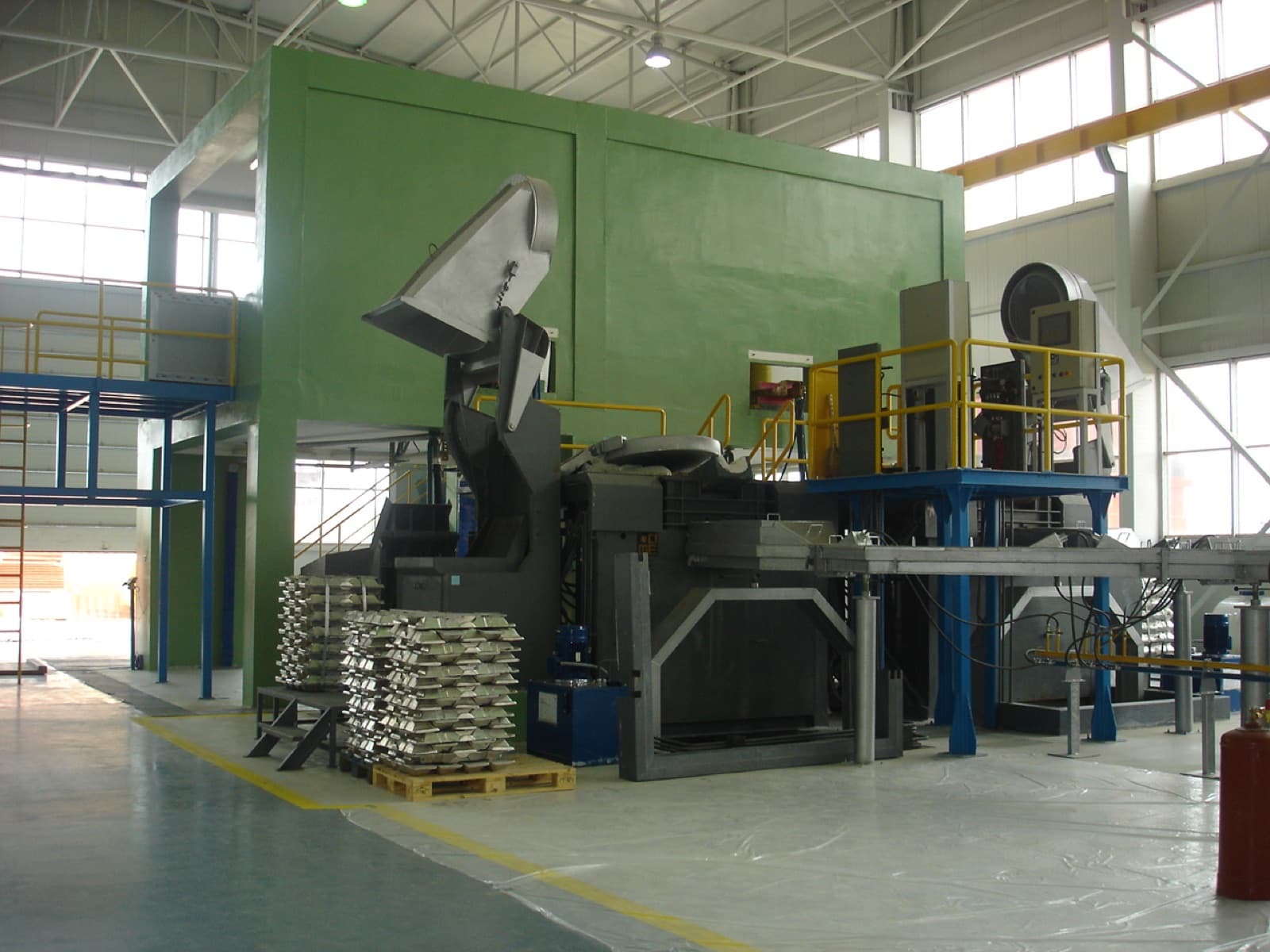
The detail, explained.
Coreless vs. channel induction
Both melt by induction, but heat the metal in completely different ways.
Press-pouring, explained
How the world's first coreless automatic press-pouring furnace keeps the bath and siphons hot and pours a slagless stream onto any moulding line.
UHE vs. UHP coil design
Two ways to build the magnetic structure around the coils: laminations for efficiency, water-cooled plates for power.
SCR to IGBT retrofit
Why modern IGBT converters beat SCR on efficiency, power factor and harmonics, and how to retrofit installed equipment at lower capex.
The questions engineers ask.
What is a coreless induction furnace?
A crucible furnace with no magnetic core: a water-cooled copper coil around the refractory crucible creates a magnetic field that induces currents directly in the metal, heating and melting it from within. The field also stirs the bath for a homogeneous melt.
How is induction better than a gas or fuel-fired furnace?
The heat is generated inside the metal instead of by an external flame, so there are no combustion losses or fumes. The result is higher energy efficiency, precise temperature control, cleaner air, faster melting and no open-flame fire risk.
What is the difference between UHE and UHP?
They are two ways of building the magnetic structure around the coils. UHE (Ultra High Efficiency) uses a continuous crown of magnetic laminations to minimise stray field and energy use. UHP (Ultra High Power) uses water-cooled magnetic plates that clamp the coils for a robust, vibration-free structure at extreme power.
Why IGBT converters instead of SCR?
IGBT medium-frequency converters reach higher efficiency than SCR converters, hold a power factor above 0.95 with no correction capacitor banks, generate no higher harmonics, and start reliably from cold. Existing SCR furnaces can be retrofitted to IGBT.
What is press-pouring and the CAP?
The CAP is the world's first coreless automatic press-pouring furnace. An elliptical coil keeps the bath and both ducts at temperature; inert nitrogen pressure pours a slagless, precise stream onto any automatic moulding line, with no ladle and no heel.
Which metals does the technology handle?
Across the range: grey and ductile iron, carbon and alloy steel, copper, bronze and brass, aluminium and superalloys. Electromagnetic stirring keeps temperature and chemistry homogeneous across the bath.
One technology. The whole range.
From the CAP press-pouring furnace to melting, holding, tandem and the power that drives them. Tell us your metal and your line, our engineers in Turin will match the furnace to it.