Standard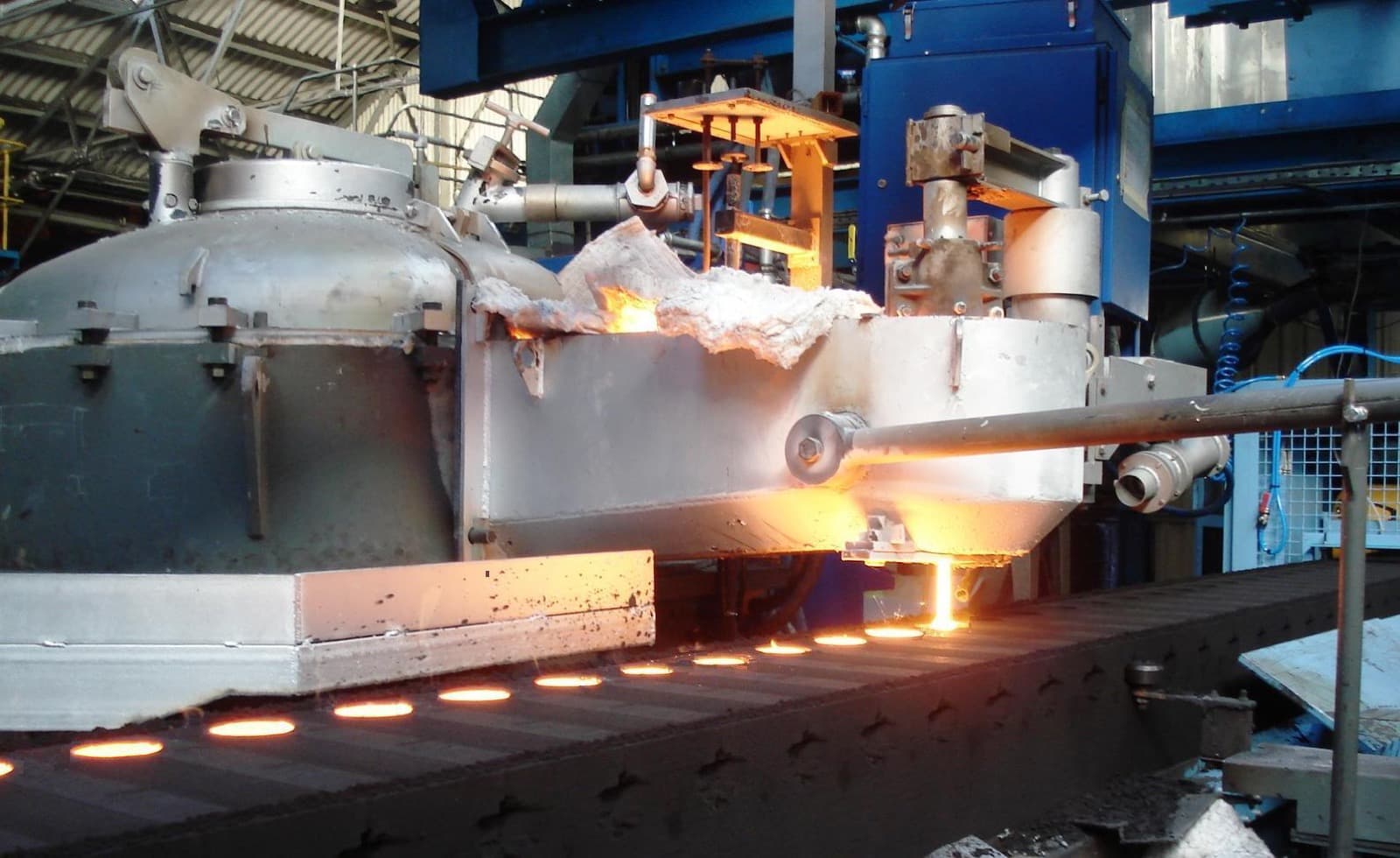
CAP · single spout
The standard coreless press-pour: one pouring spout feeds a single flask with a precise, slagless stream, under full computerized control.
2–25 t · one flaskCAP · Coreless Automatic Press-Pouring Furnace
The CAP is the world's first automatic coreless press-pouring furnace with heated siphons. Precise, repeatable pouring, from 2 to 25 t, up to 1 MW.
01 · The principle · how the CAP works
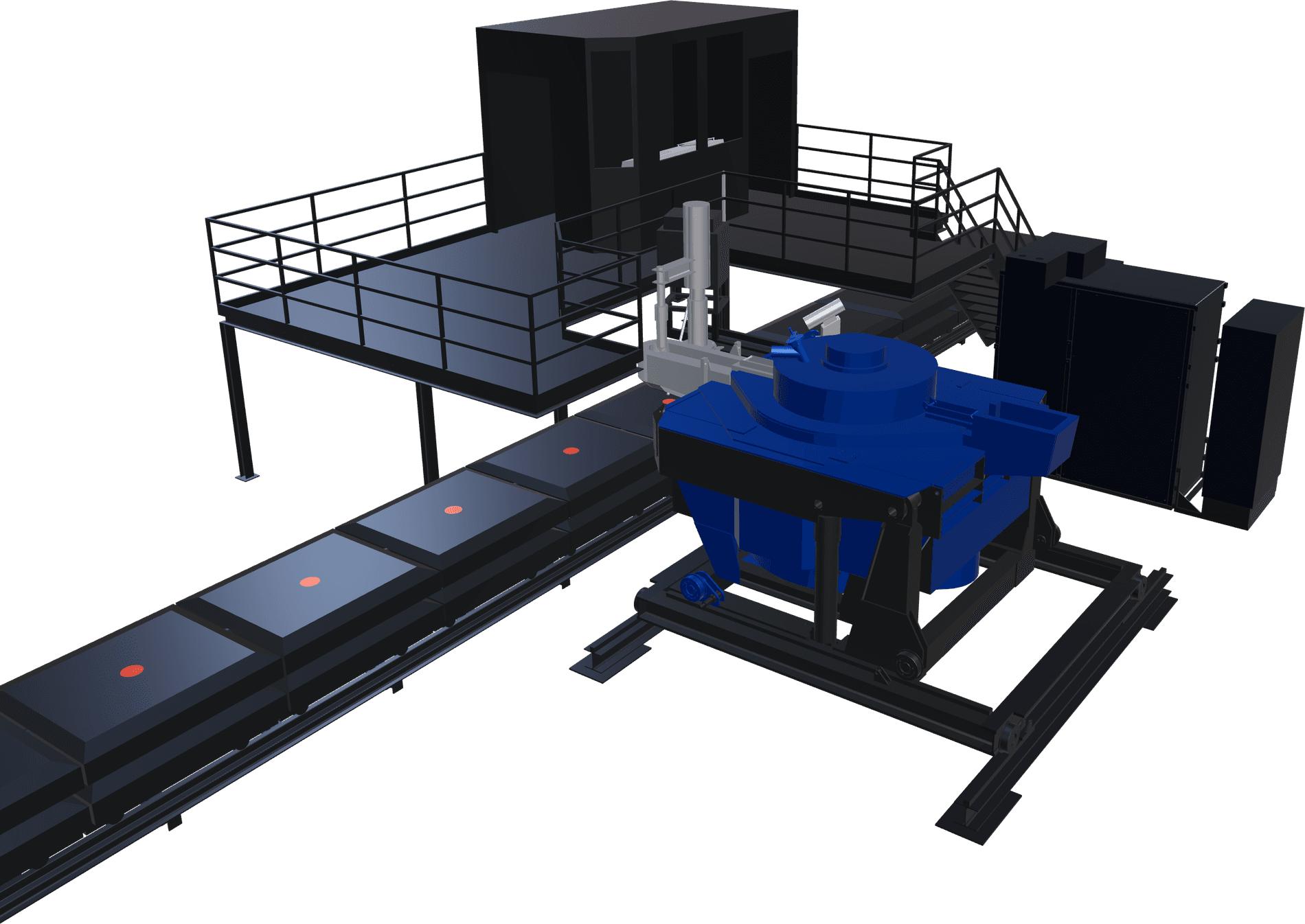
Molten metal is fed in through the charge siphon; the elliptical coil holds the sealed bath and heats both siphons, so the ducts never freeze. Inert pressure pushes the melt up the pouring siphon, where a stopper-rod meters a precise pour straight onto the line. The world's first automatic press-pouring furnace with heated siphons, engineered by CIME in 1976.
In a channel press-pour the siphons are not directly heated; in an unheated pouring system the metal bath cools. The CAP heats the entire metal area, siphons included, by induction. That difference cascades into correct pouring temperature and slag control.
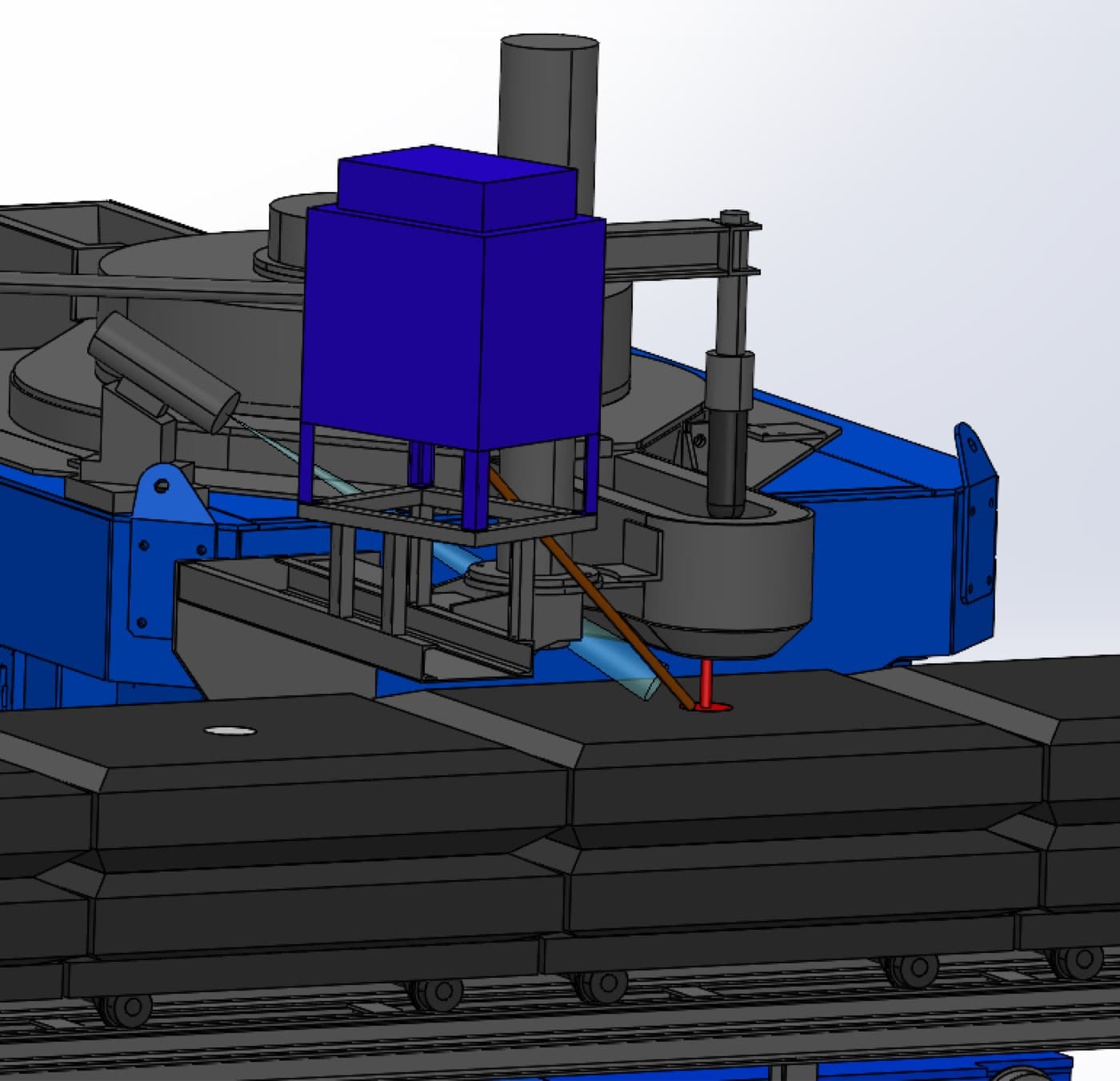
A camera focuses on the mould pouring cup, feeding a continuous signal to the stopper-rod control. Pour rate adjusts to each mould's filling profile in real time.
Pouring curves, metal poured per mould, remaining bath, pattern memory file and diagnostics, all pre-programmed for complete automatic furnace control.
The metal-feeding system is process-controller adjusted and synchronised to the line: immediate start-up, no wait for metal, automatic inoculation with alloy injection into the pouring stream.
A buffer of liquid metal at correct analysis and temperature is always on the line, no solidification during unplanned mould-line stops, with rapid superheat up to 100 °C/h when needed.
Standard capacities · tonnes
Each size is engineered to the foundry's moulding-line cadence and metallurgy. Custom capacities and retrofits available on the 700+ install base.
The standard coreless press-pour: one pouring spout feeds a single flask with a precise, slagless stream, under full computerized control.
2–25 t · one flask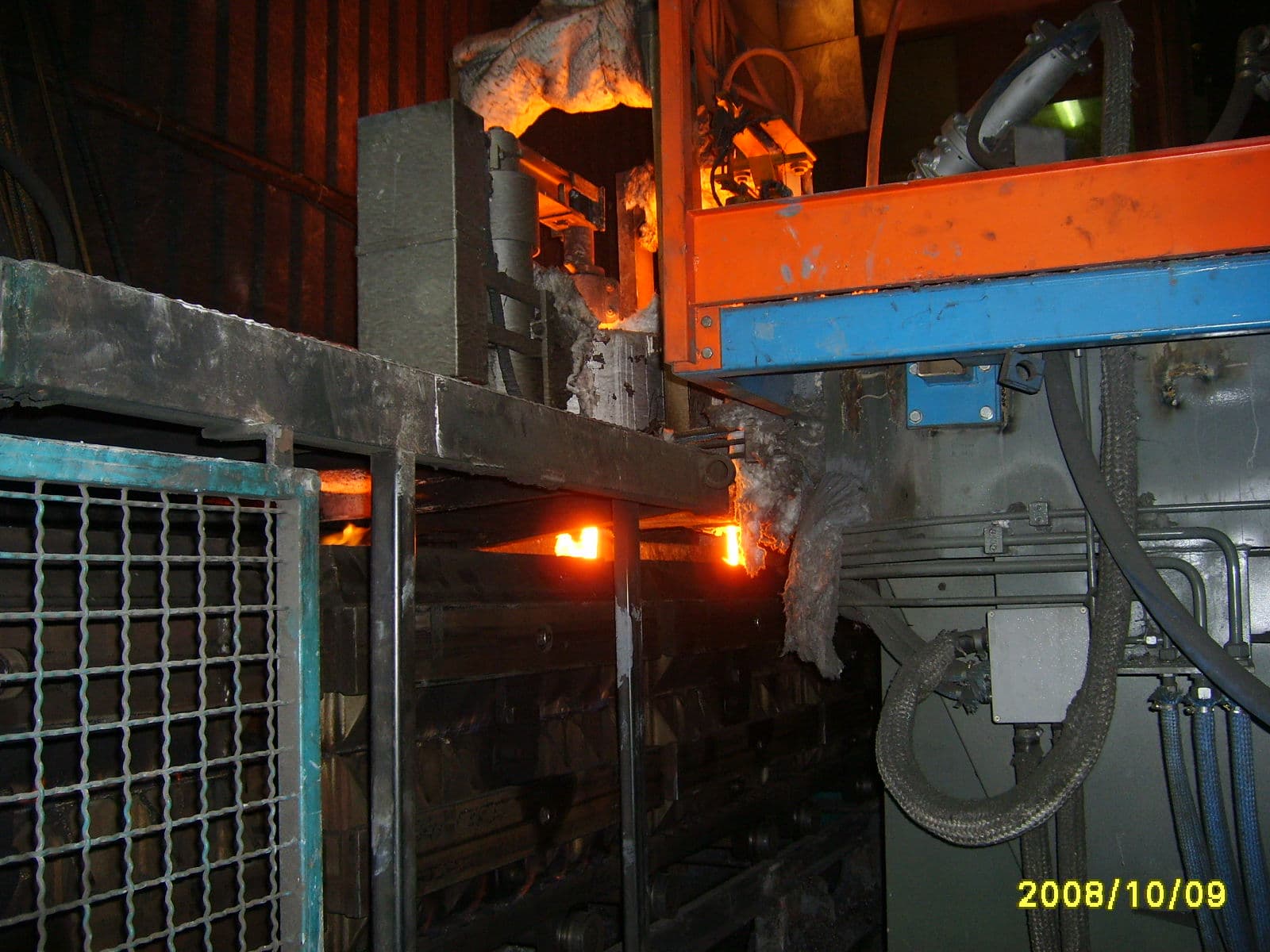
A double-spout arrangement that pours two different flasks directly, under full computerized control.
2–25 t · two flasksAny ferrous or non-ferrous alloy. The CAP pours grey cast iron, ductile iron with 100% reliability, steel, copper-based alloys (bronze and brass), and light alloys including aluminium. For ductile iron in particular, nitrogen pressurisation maintains magnesium content, and lower treatment temperatures improve metallurgical quality and reduce the amount of alloy required.
Standard capacities are 2, 4, 8, 10, 15 and 25 tonnes, with power ratings from 200 up to 1000 kW at 50 to 200 Hz. Each unit is engineered to the foundry's moulding-line cadence; custom sizes and retrofits are available.
Yes. Unlike channel furnaces, the CAP's elliptical coil heats both ducts by induction. They do not freeze and the slag stays fluid and easy to remove from the top surface: the ducts are effectively self-cleaning.
Yes. The CAP can be de-energized and restarted either from a cold charge or with metal already molten. It can be shut down over weekends or during non-production periods. Rapid superheat of up to 100 °C/h brings it back to pouring temperature quickly.
By a fully computerized system (pouring curves, metal poured per mould, remaining bath and pattern memory) combined with OPTICAL, an electro-optical device that watches the mould pouring cup and molten stream and feeds a continuous signal to the stopper-rod control, adjusting to each mould in real time.
No ballast heel is required. The furnace empties 100% by hydraulic back-tilting, so switching from one alloy to another is fast and clean. The special lining and induction-heated ducts support frequent alloy changes.
Whether you need a furnace engineered to your process from the ground up, or want to bring an existing installation up to date with our components and controls, the CIME engineering team is ready to define the right solution for your foundry.