Melting furnaces · Coreless induction
Coreless
Melting
Furnace.
Coreless induction melting furnaces for iron, steel and non-ferrous metals. From 0.4 to 60 t, up to 10 MW.
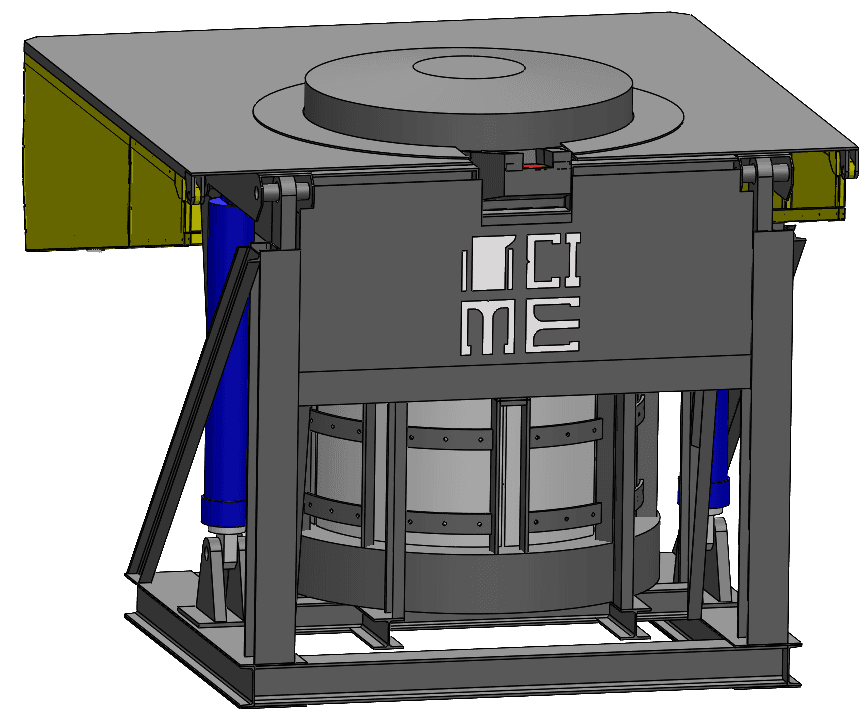
01 · The principle · coreless melting
Power and efficiency.
A water-cooled induction coil drives current straight into the charge, melting iron, steel and non-ferrous metals fast and clean. UHP and UHE coil designs balance peak power against low energy per tonne, and when needed the magnetic field stirs the bath so alloy corrections can be made after melting.
The flexibility of CIME induction furnaces.
A coreless furnace melts the whole charge electrically, allows alloy corrections in the molten metal and empties 100%, so one furnace can run different alloys.
Why foundries melt coreless.
A channel induction furnace must keep a molten heel and is built for holding, not fast, flexible melting. A cupola or fuel-fired furnace burns coke or gas. The coreless furnace melts the whole charge electrically from cold, stirs it when required, and empties fully, the most flexible, cleanest route to liquid metal.
The key points.
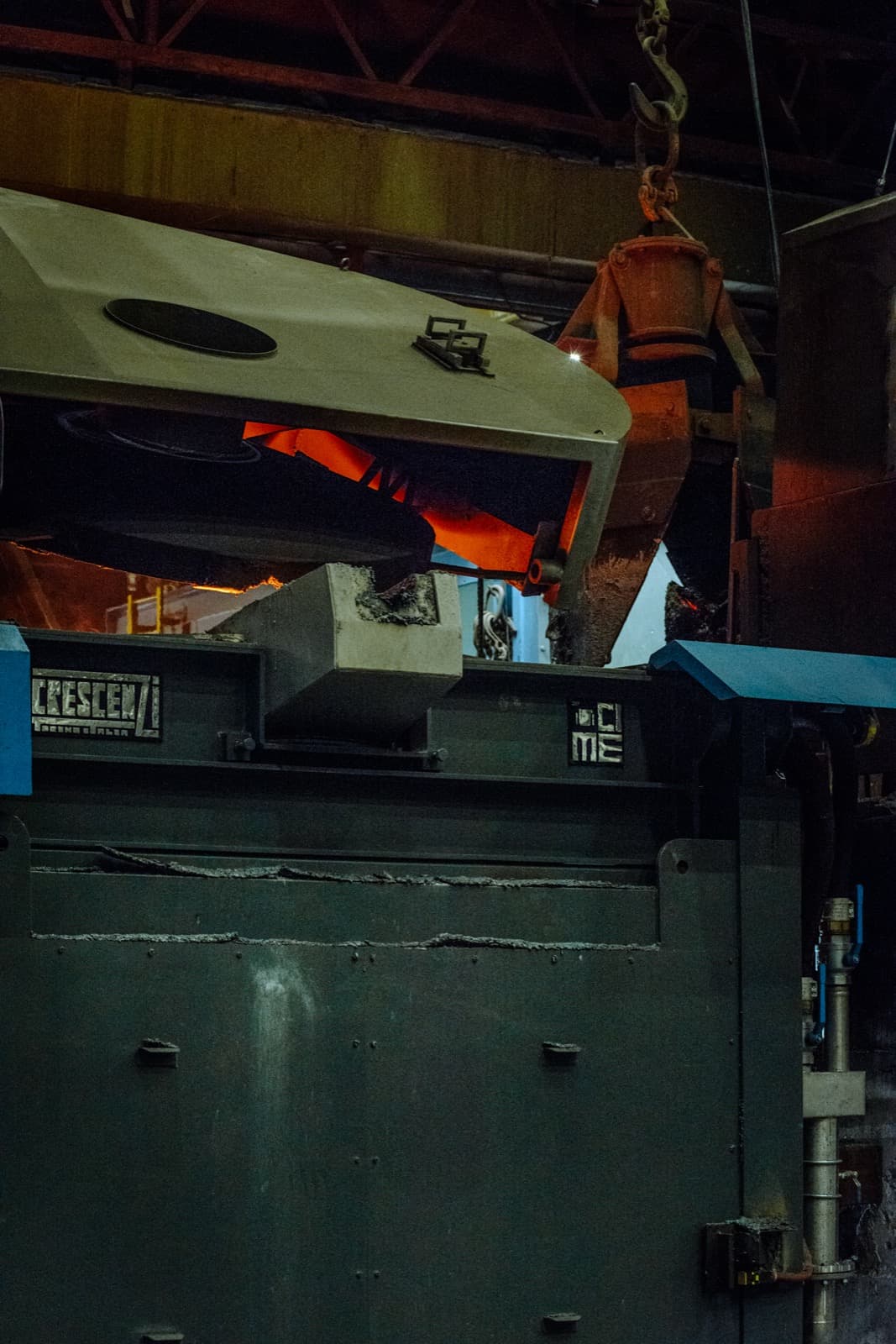
UHP · Ultra High Power
Maximum power density in the bath, the highest melt rate in the shortest time. Configurable up to 10 MW of installed power for the highest-power installations.
UHE · Ultra High Efficiency
Optimized coil geometry and power management for the lowest energy per tonne, cutting both kWh and CO₂ per melt.
IGBT converters & SCR retrofit
Modern IGBT power supplies deliver a high power factor and clean power quality. Existing SCR furnaces can be retrofitted to IGBT to recover efficiency and capacity.
Computerized melt control
Melt curves, energy per heat, sinter and start-up programs, lining diagnostics and full data logging, ready to interface with the foundry control room and MES.
Engineered to your requirements.
Coreless melting · technical data
Standard capacities · tonnes
From 0.4 t to 60 t melt shops. Each furnace is sized to your specific metallurgical requirements. Custom capacities and retrofits are available on the install base.
Power, or efficiency.
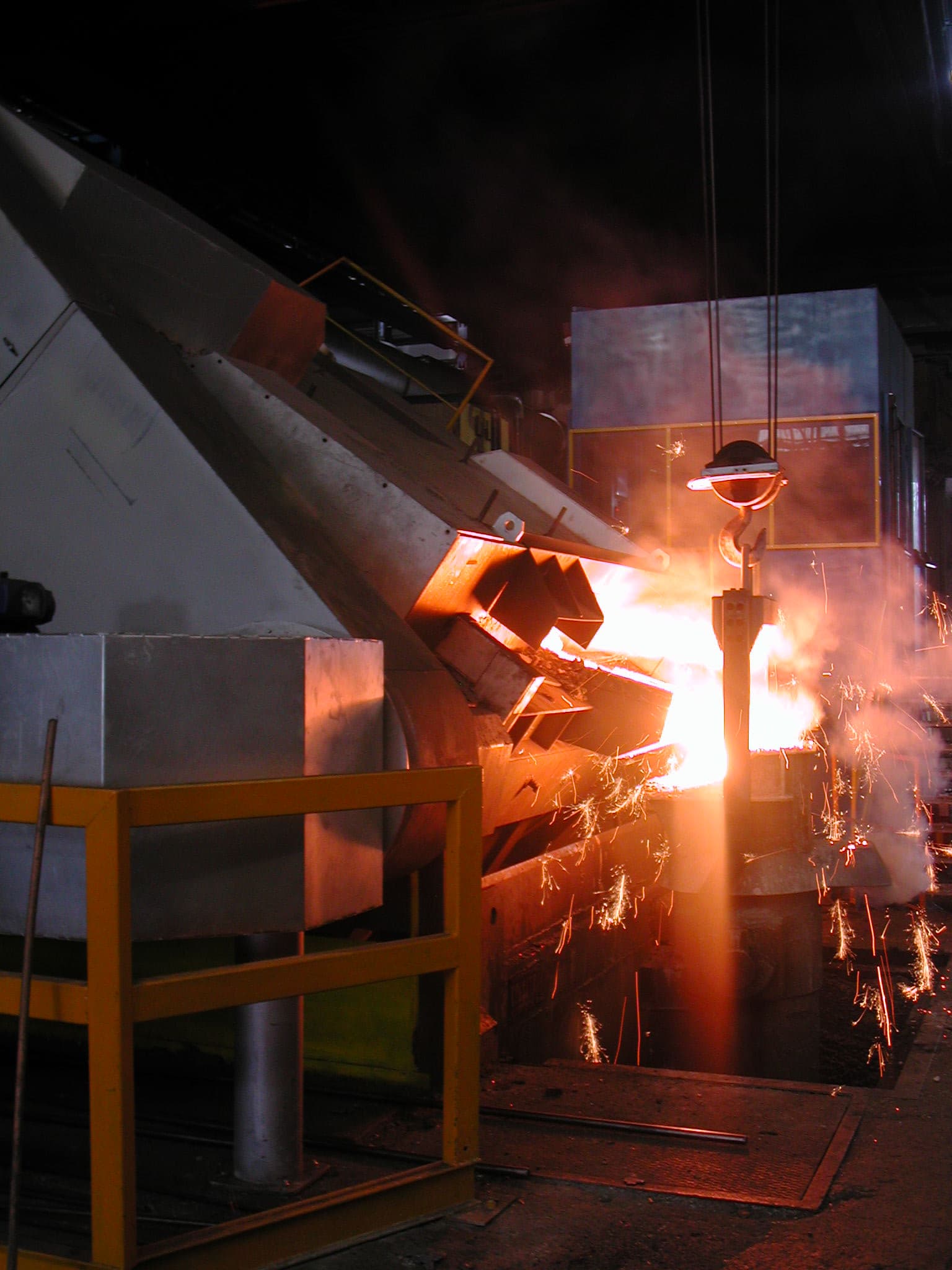
UHP · ultra-high-power
The ultra-high-power melting unit. Maximum power density for the fastest melt rate, with stability and no vibration at all even at power levels up to 10 MW.
Up to 10 MW · UHP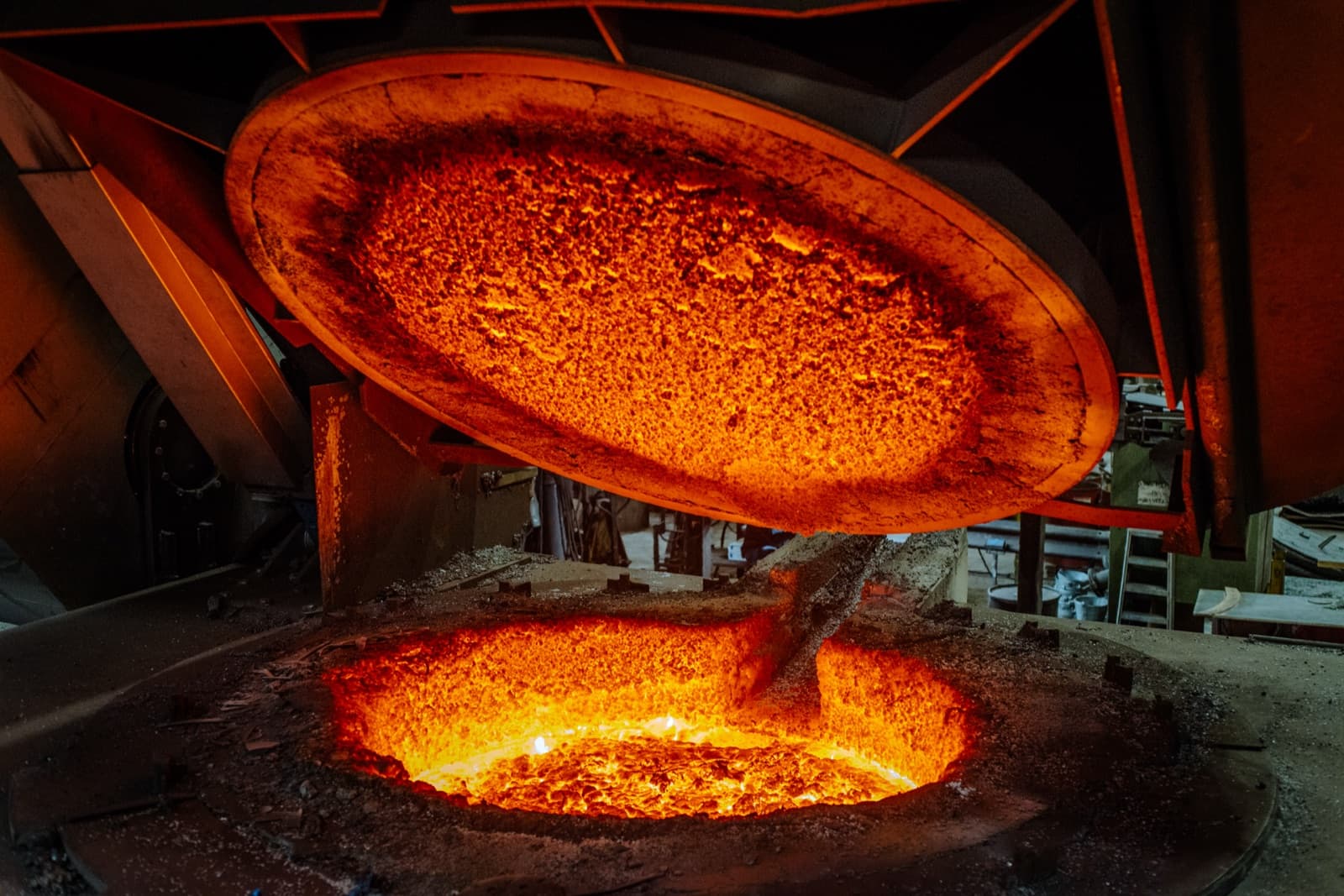
UHE · ultra-high-efficiency
The ideal solution when you want maximum energy efficiency and optimal magnetic field management, with concrete gains in operating cost and reliability.
Lowest kWh/t · IGBTAdd-ons & upgrades.
Metal weighing system
Load cells under the crucible support give continuous, precise measurement of the molten metal in each furnace. Used for computerized melting, accurate production changes and a direct interface to the plant ERP.
MOLE charging system
Automatic charging of solid metal, scrap, ingots and returns into the furnace body. The MOLE moves and discharges material under control, optimising melt time and safety.
SCR to IGBT retrofit
Upgrade an existing SCR converter to a modern IGBT unit, recovering power factor, efficiency and capacity on installed equipment, a lower-capex route to modern, high-efficiency performance.
Spare melting unit
A ready spare coreless body, installed fast on a failure or stoppage so the foundry avoids its most expensive risk: unplanned downtime.
Operational questions, straight answers.
What is a coreless induction furnace?
A coreless induction furnace melts metal with a water-cooled copper coil that surrounds a refractory-lined crucible. Alternating current in the coil induces eddy currents directly in the charge, so the metal heats and melts from within. There is no channel, so the furnace can melt from a cold charge and be emptied completely between heats.
Which metals can CIME coreless furnaces melt?
The full foundry range: grey and ductile (nodular) iron, carbon and alloy steel, copper and bronze, and aluminium. Because the bath empties 100%, the same furnace can run different alloys.
What capacity and power range is available?
Capacities run from 0.4 up to 60 tonnes, with installed power up to 10 MW in UHP configuration. Each furnace is sized to the foundry's output and metallurgy; custom capacities and tandem-power layouts are available.
Coreless vs. channel induction furnace, what is the difference?
A channel furnace needs a permanent molten heel, so it is built mainly for holding. A coreless furnace melts the whole charge from cold, stirs it electromagnetically when the production calls for it and empties fully, which makes it far faster and more flexible for melting and fast alloy changes.
How energy-efficient is coreless induction melting?
It is all-electric, with no coke or gas combustion at the furnace. CIME's UHE or UHP configurations and IGBT power supplies push the energy per tonne to its minimum.
Can an existing furnace be retrofitted from SCR to IGBT?
Yes. CIME retrofits existing SCR furnaces to modern IGBT power supplies, recovering power factor, efficiency and capacity on installed equipment, a lower-capex route to better performance.
How long do CIME coreless furnaces last?
For decades. Many CIME coreless furnaces have run in continuous foundry service for over forty years, and the 700+ install base is regularly upgraded rather than replaced. Longevity, retrofit and lifecycle support are part of the engineering.
Built around your foundry.
Whether you need a new coreless melting furnace built around your production process, or want to bring an existing installation up to date with new components and systems, the CIME engineering team is ready to define the right solution for your foundry.