Key takeaways
- A coreless furnace heats the whole bath: the water-cooled coil surrounds the entire crucible, so the field induces currents across all of the metal at once.
- A channel furnace makes its heat in a small molten loop in a throat below the bath, which must stay molten at all times and then conducts heat upward into the main volume.
- Because a coreless furnace heats the ducts too, it pours ductile iron without slag clogging, empties 100% by back-tilt and changes grade fast, with no metal heel left behind.
- That is why the world's first automatic press-pouring furnace, the CIME CAP, is coreless and not channel.
Two ways to use induction
Induction can heat metal in two architectures: coreless and channel. They share the same physics, an alternating field inducing currents in the metal, but they put that field in very different places, and that single choice sets what each furnace can and cannot do on a foundry floor.
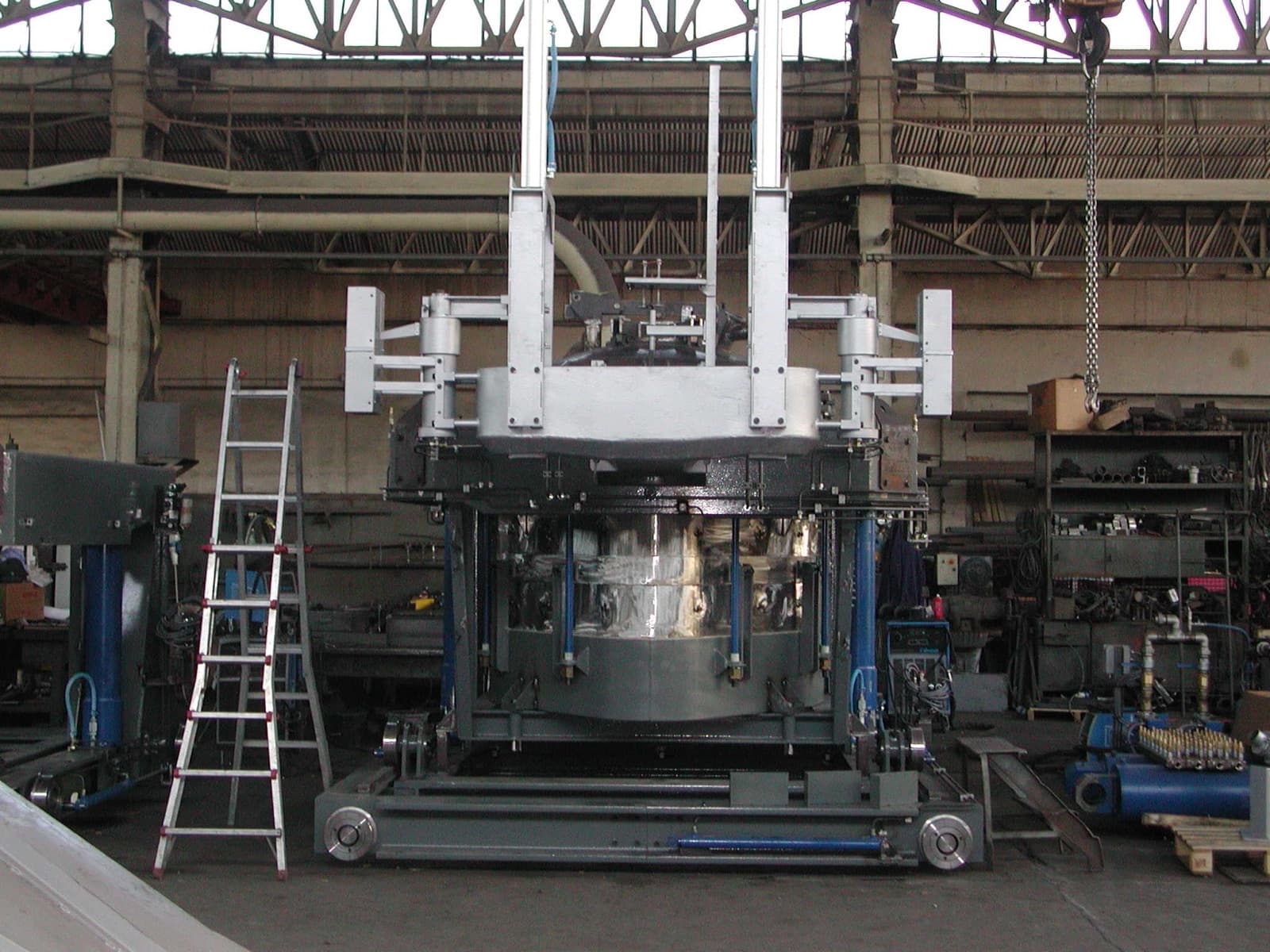
In a coreless furnace the water-cooled coil surrounds the whole refractory crucible, so the magnetic field induces currents across the entire charge and heats it directly, from within. In a channel furnace the heat is made in a small loop of molten metal held in a throat below the bath, where an iron-cored inductor acts like a transformer. That loop has to stay molten at all times, and the heat then conducts up into the main bath rather than being made throughout it.
Note
The names describe where the magnetic circuit closes. A channel furnace has an iron core threaded by a molten loop. A coreless furnace has no core and no permanent loop, the coil works directly against the whole charge. CIME has built coreless since 1952.
The architecture sounds academic, but it is the reason the two families behave so differently in service. Heat the whole bath and you can empty it, pour from it and switch metals in it freely. Keep a loop alive in a throat and you inherit a set of constraints that no amount of control can fully remove.
What the difference does
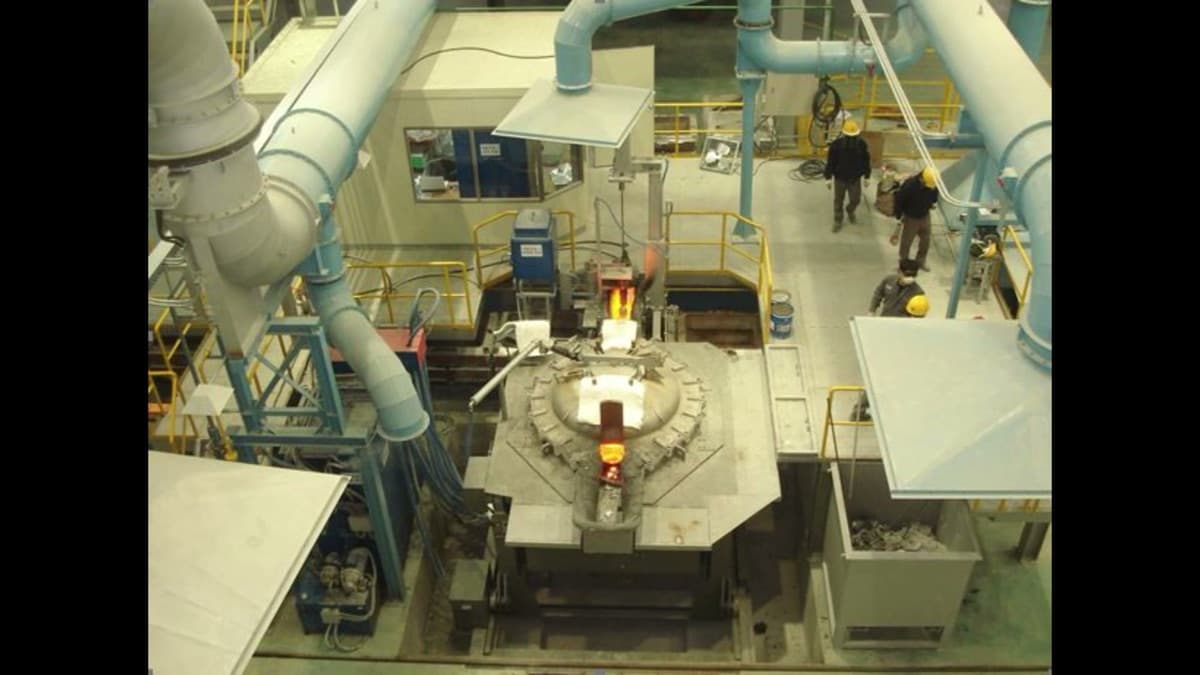
The same induction physics, two outcomes. A channel furnace keeps a molten throat loop alive and conducts heat into the bath; a coreless furnace heats the whole volume, siphons included. On a foundry floor that shows up across six practical properties.
Read the table top to bottom and a pattern emerges: heating the whole bath instead of a buried loop gives uniform temperature, ducts that do not freeze, a furnace that empties completely and a clean stop at the weekend. That flexibility is why coreless is the foundation of CIME's melting furnace range.
Heat a buried loop and you inherit its constraints. Heat the whole bath and you can empty it, pour from it and switch metals at will.
Why it matters for pouring
A channel inductor has to sit far hotter than the metal it delivers, around 1500 °C to pour at 1400 °C, and it leaves roughly two tonnes of metal trapped in the heel it can never empty. Its siphons are not directly heated, so on ductile iron the slag adheres and the ducts clog. That is the wall every channel-based pouring attempt runs into.
CIME's coreless CAP solves it with one idea: an elliptical coil that heats the crucible and both ducts. The siphons never freeze, the bath empties completely, grade changes are fast, and the whole process runs 50 to 70 °C cooler. That is why the world's first automatic press-pouring furnace is coreless, not channel.
Key point
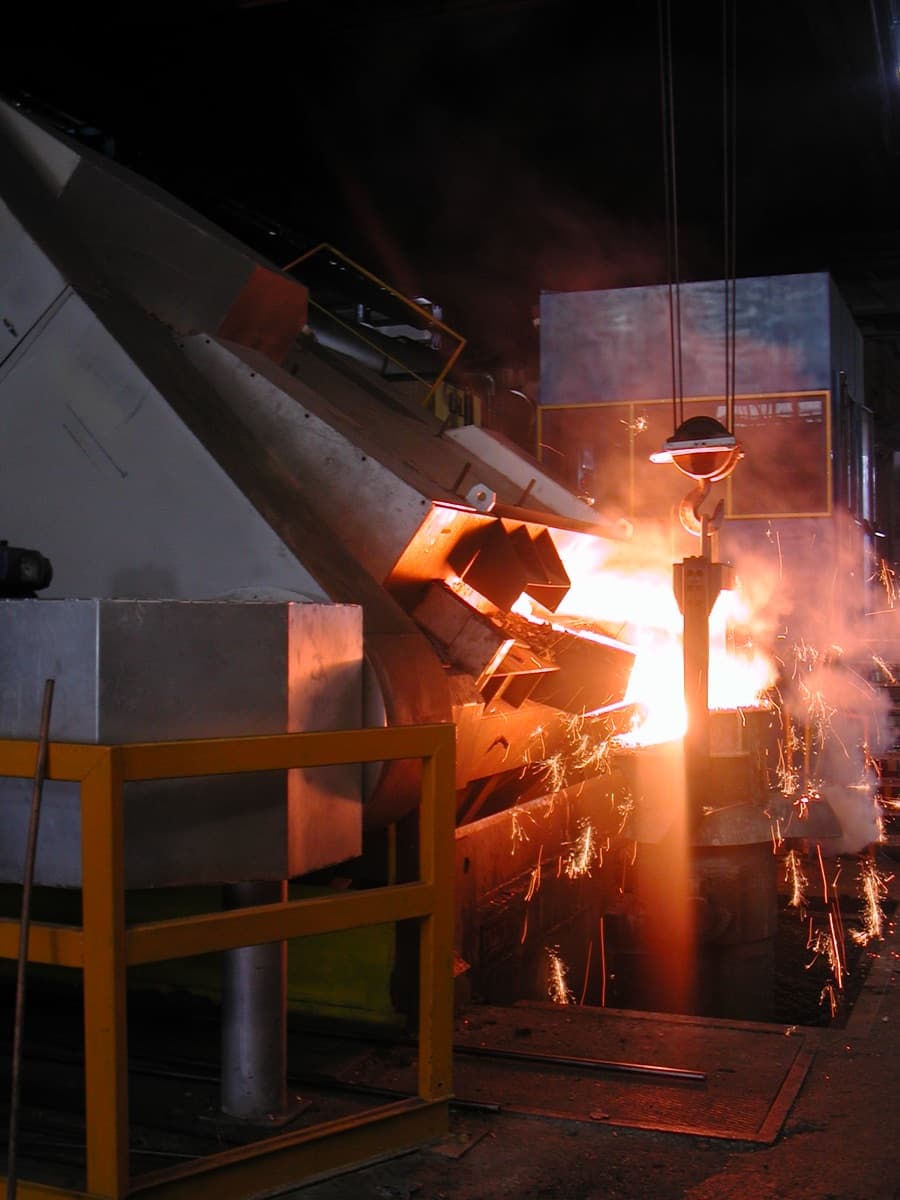
Coreless is not just a melting method, it is the platform. The same physics that heats the whole bath is what lets CIME melt, hold and press-pour ductile iron from one family of coreless furnaces.
Frequently asked questions
Why can a coreless furnace pour ductile iron when a channel furnace struggles?
Because the coreless coil heats the pour ducts and siphons as well as the crucible. In a channel furnace those ducts are not directly heated, so on ductile iron the slag adheres and the ducts clog. A coreless furnace keeps the whole flow path hot, so the stream stays clean.
Does a coreless furnace need a molten heel like a channel furnace?
No. A coreless furnace empties 100% by back-tilt and can start again from a cold, empty crucible. A channel furnace must keep a loop of metal molten in its throat at all times, which leaves roughly two tonnes of metal trapped that it can never empty.
Why is the world's first automatic press-pouring furnace coreless?
Press-pouring needs a furnace that empties fully, changes grade fast and keeps the siphons clear. CIME's coreless CAP uses an elliptical coil that heats the crucible and both ducts, runs 50 to 70 °C cooler than a channel inductor and pours ductile iron reliably. Channel architecture cannot do all of this, which is why the CAP is coreless.
References and sources
- Foundry Trade Journal, technical article on coreless press-pouring practice, 2006.
- Cast Metal Times, coreless versus channel induction melting, 2004.
- CIME S.r.l., internal process and engineering documentation, Turin.