Key takeaways
- An SCR converter regulates voltage to regulate power, while an IGBT converter regulates both voltage and frequency to regulate power.
- With an IGBT converter, efficiency is higher than with an SCR converter, because it can reach high efficiency regardless of output power.
- With an IGBT converter, the power factor is always above 0.95, so reactive power always stays low and no power-factor correction capacitor banks are needed.
- For a new furnace, specify IGBT from the start; for an installed SCR line, retrofit the converter and keep the body and coil. All new CIME converters are IGBT, from 1 to 10 MW.
Two generations of converter
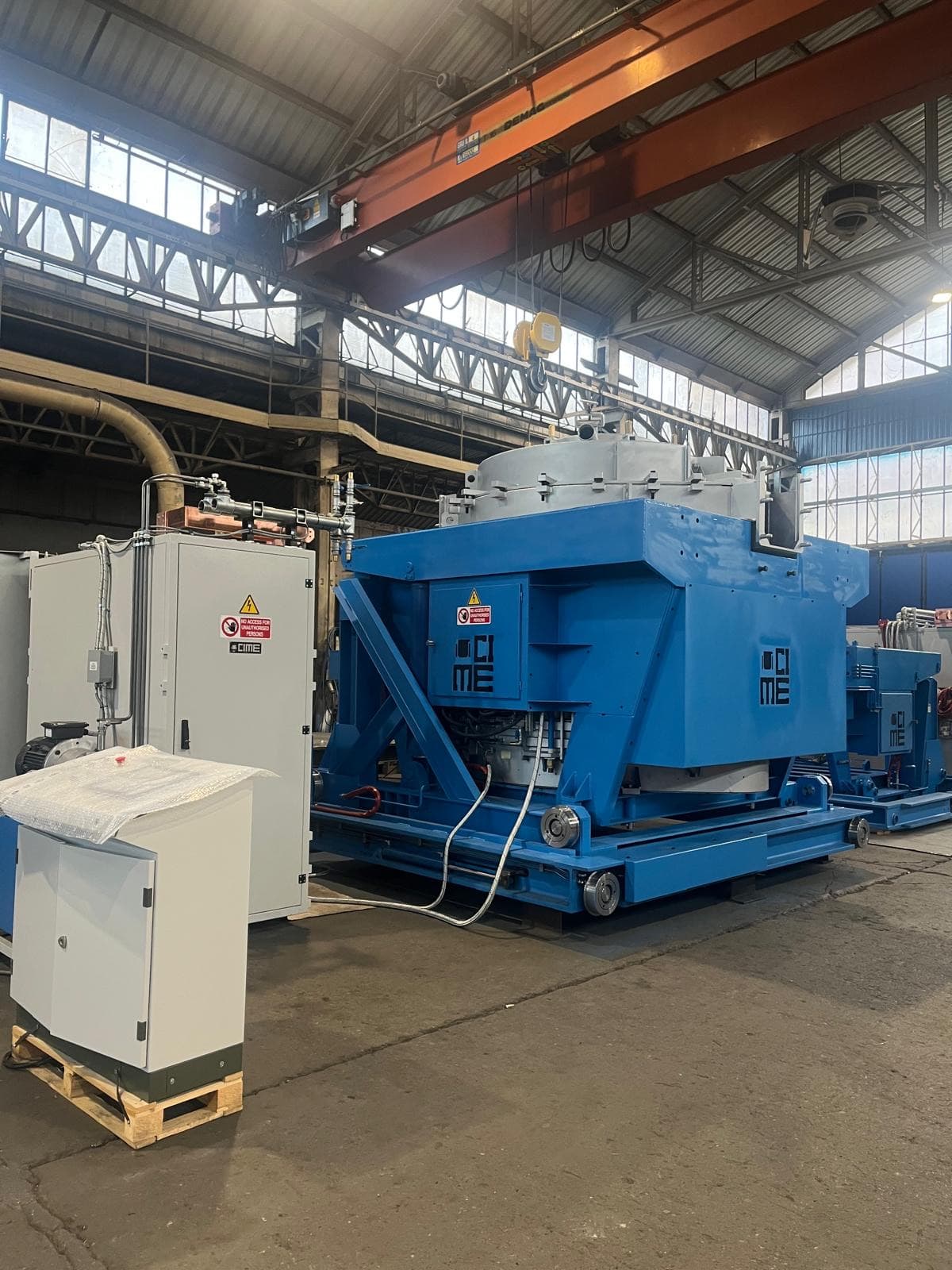
Behind every induction furnace is a converter that turns mains power into the current the coil needs. That converter comes in two generations. The older one uses SCR devices and regulates power by partializing the rectifier waveform. The modern one uses IGBT devices and converts direct current into alternating current at the frequency the furnace needs to run at its best. The furnace body is identical; the converter is what decides how fast it melts and the conditions it melts under. SCR came first and is still in service on many installed lines; IGBT is the medium-frequency technology every new converter is built on today.
The difference is not a detail on a datasheet. IGBTs offer advantages such as high energy efficiency, lower power losses and greater reliability compared with other technologies.
Note
SCR regulates by voltage alone; IGBT regulates voltage and frequency. Many furnaces still run on SCR drives and they still work, but every new CIME converter is IGBT, from 1 to 10 MW.
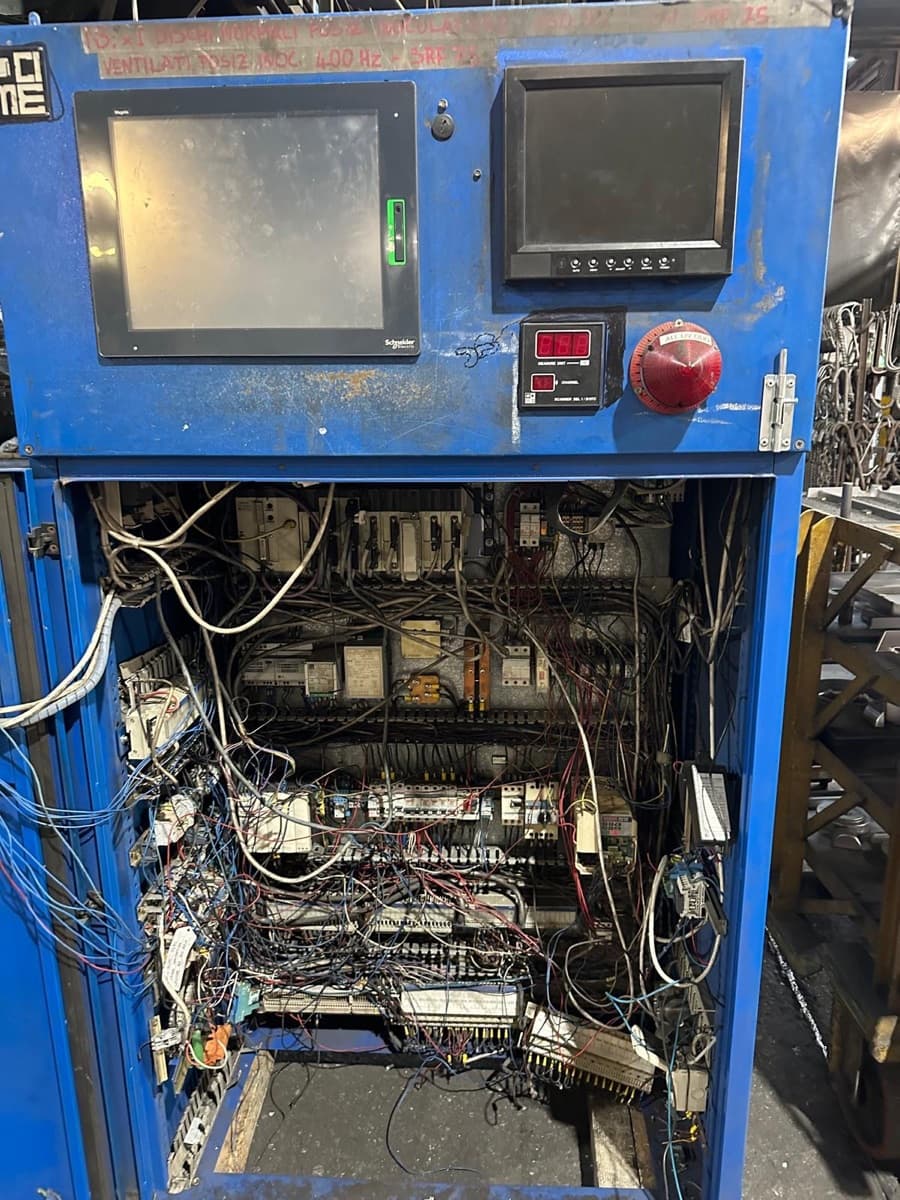
How the converter has changed: the IGBT version
Five things change when the converter is IGBT rather than SCR, and each maps to a number a foundry manager already watches.
Fast melting and constant power. An SCR drive regulates by voltage; an IGBT converter regulates voltage and frequency to regulate power. The power factor of the IGBT converter will never be affected by the volume of material in the crucible or by changes in the thickness of the furnace lining, and power is delivered constantly. On low-magnetic-permeability metals, stainless steel, copper and aluminium, that means faster melts with fewer burnt elements and higher-quality production.
Energy efficiency. An IGBT converter runs more efficiently overall than an SCR converter. Intelligent IGBT management ensures the furnace uses only the energy it strictly needs. That means lower electricity bills.
Grid power quality. An SCR converter has to partialize the rectifier to regulate the voltage, and that partializing is what generates higher harmonics, which pollute the supply and can disturb other equipment on the same network. An IGBT converter rectifies the full three-phase wave with no partializing, so the DC stays at its maximum and no higher harmonics are pushed back onto the grid. That protects neighbouring equipment and keeps the foundry clear of the power-quality penalties charged for a distorted supply.
Power factor. The IGBT converter holds a power factor above 0.95 at all times. The reactive power stays low, so the power-factor correction capacitor banks an SCR converter needs disappear.
Reliable, immediate start. IGBT technology starts to 100% even from cold at full load. That means downtime kept to a minimum and production that starts immediately.
Same coil, same crucible, two generations of converter compared.
At a glance
The same five changes, read as what a foundry gets from each converter. For the engineering side by side and how to move from one to the other, see SCR to IGBT retrofit.
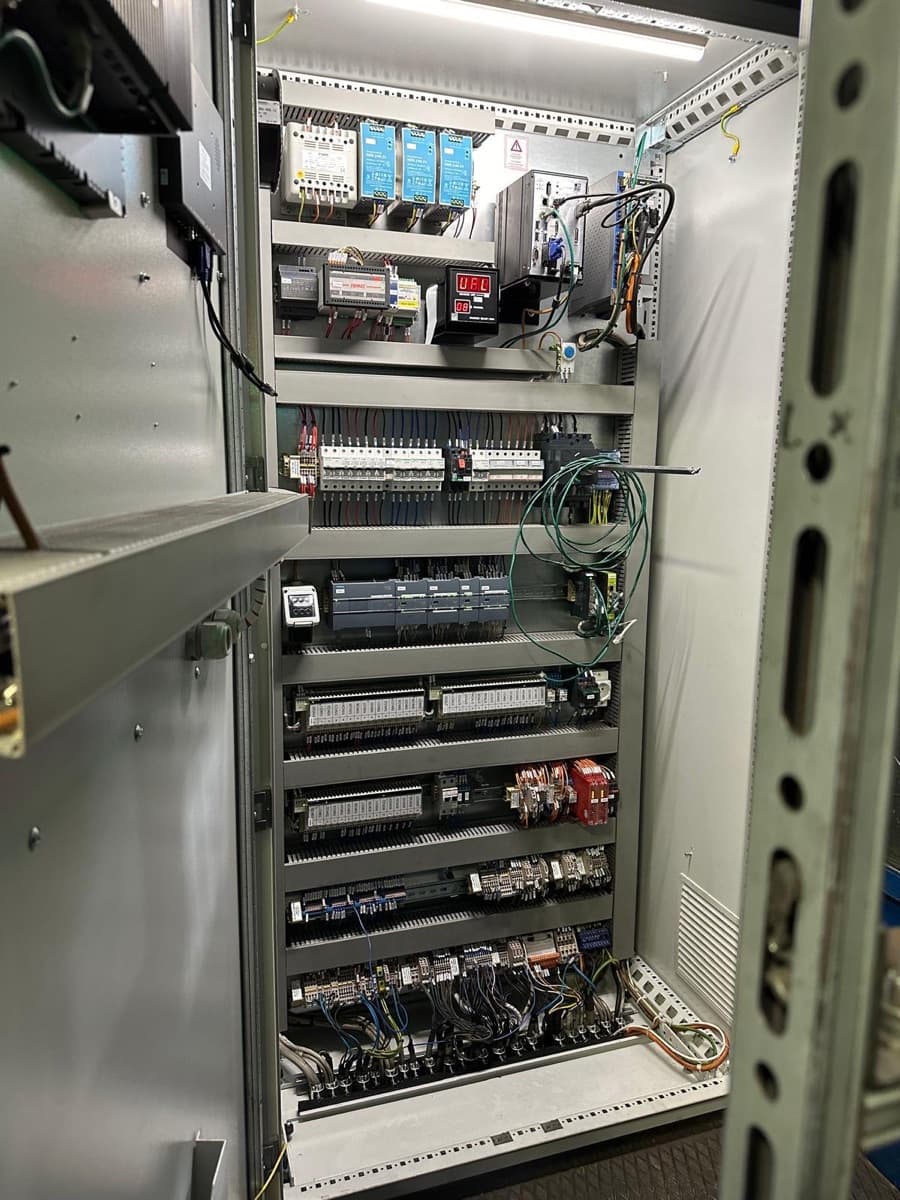
New plant or retrofit? CIME guides your choice
The decision splits two ways.
For new plants, an IGBT converter can be adopted directly.
On existing lines with an SCR power supply, CIME can carry out the conversion to IGBT technology, keeping the furnace body, the coil and the existing infrastructure. The work improves efficiency and grid quality, making the most of the existing plant and avoiding a complete replacement of the machine.
The retrofit is the lower-investment path on equipment a foundry already owns, and it is where the efficiency, power factor and capacity come back without having to rebuild the line. For exactly when and how to make that upgrade, see the article SCR to IGBT retrofit; to learn more about the IGBT converter, including the retrofit service, see the IGBT Power Electronics page.
Key point
The converter is the brain of the plant. The IGBT converter offers melt speed, a higher power factor, better grid quality and finer control.
Frequently asked questions
What is the difference between an IGBT and an SCR induction furnace converter?
An SCR converter regulates voltage to regulate power, while an IGBT converter regulates both voltage and frequency to regulate power. The result is faster melting, higher overall efficiency, a power factor above 0.95 with no capacitor banks and no higher harmonics.
Does an IGBT converter really melt faster than SCR?
Above all on low-magnetic-permeability metals such as stainless steel, copper and aluminium, yes. An SCR drive regulates by voltage alone, while an IGBT converter regulates voltage and frequency, so power stays constant. Melts are faster with fewer burnt elements. On cast iron the gap is smaller, but the efficiency and power-quality advantages of an IGBT converter remain.
Why does an IGBT converter not need capacitor banks?
An IGBT medium-frequency converter holds a power factor above 0.95 at all times, so the reactive power an SCR line has to correct with capacitor banks is simply not there. That removes the capacitor banks and avoids the low-power-factor penalties a utility can apply.
Should I choose IGBT for a new furnace or retrofit an existing SCR line?
CIME helps you choose: our team of engineers and technicians will work out the right solution for your foundry, whether that is a new IGBT converter for a new furnace or an upgrade of your power supply. For an installed SCR line that does not need a new furnace, CIME can study and design the converter retrofit with IGBT; this lets you keep the furnace body, the coil and the shop infrastructure.
My SCR furnace still works, so is an upgrade worth it?
An SCR furnace does still melt, and there is no safety reason to change it. The case for IGBT is economic: faster melts on tough metals, lower energy per tonne, no capacitor banks and no harmonics on the grid. Because a retrofit keeps the body and coil and swaps only the converter, those savings usually pay back the upgrade without the cost of a new line.
References and sources
- Foundry Trade Journal, technical article on induction-furnace power supplies, 2006.
- Cast Metal Times, IGBT medium-frequency converters in coreless practice, 2004.
- CIME S.r.l., internal converter engineering documentation, Turin.